
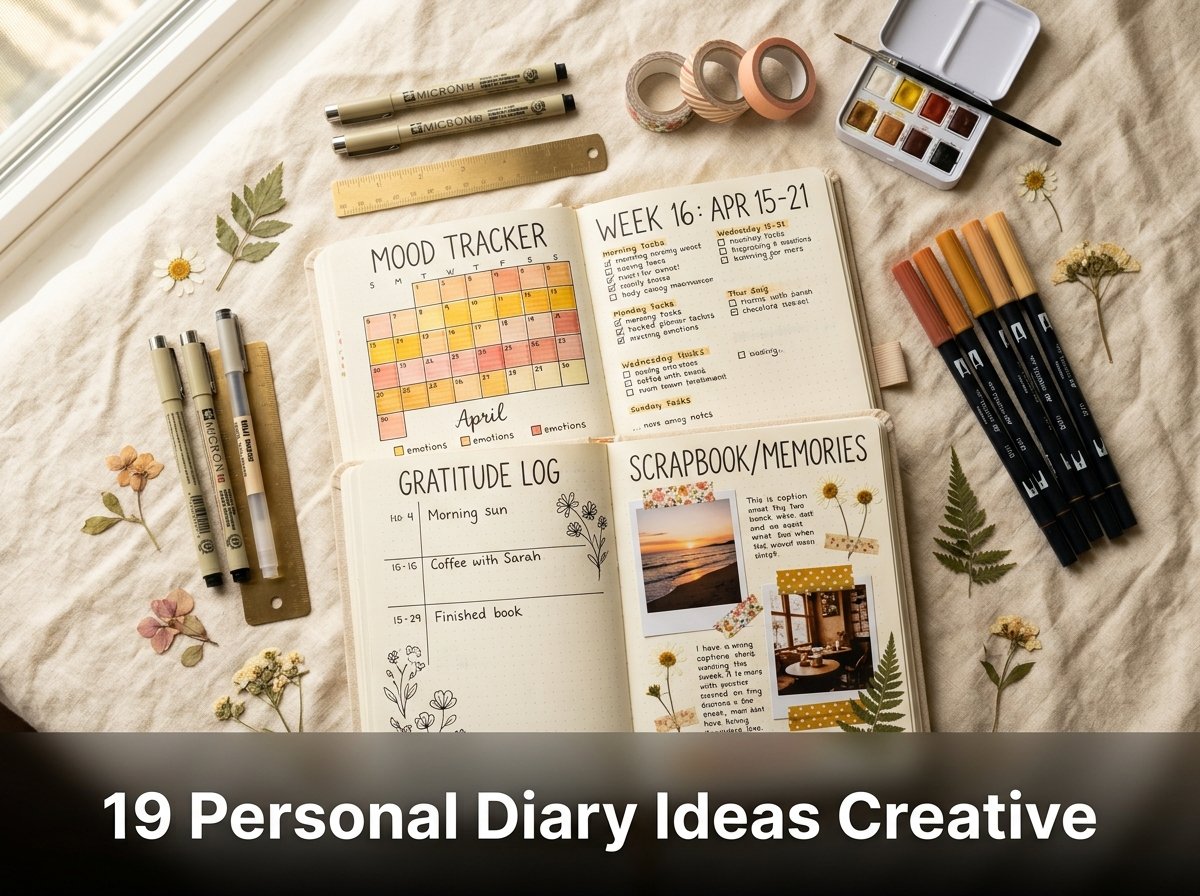
19 Personal Diary Ideas Creative
I started keeping a personal diary in ninth grade using a plain spiral notebook and a blue pen. I wrote three sentences on the first day and then skipped two weeks. The problem was not motivation. The problem was that I had no idea what to write about or how to set up the pages in a way that made me want to come back.
Personal diary ideas give you a clear starting point so you do not sit staring at a blank page every time you open your notebook. The best ideas combine writing with simple visual elements like lists, trackers, and small drawings that make each page feel complete even when you only have five minutes to write.
I have kept a personal diary consistently for four years now. I tried plain writing, bullet journal setups, scrapbook styles, and minimalist layouts. Some worked immediately. Some took two weeks to feel natural. All of them taught me something about how I think and plan.
This guide covers 19 personal diary ideas that I have used personally or studied in detail. Each idea includes what to write, how to set up the page, and who it works best for. Whether you are a student, a beginner, or someone returning to journaling after a long break, you will find a workable idea here.
1. Daily Gratitude Log
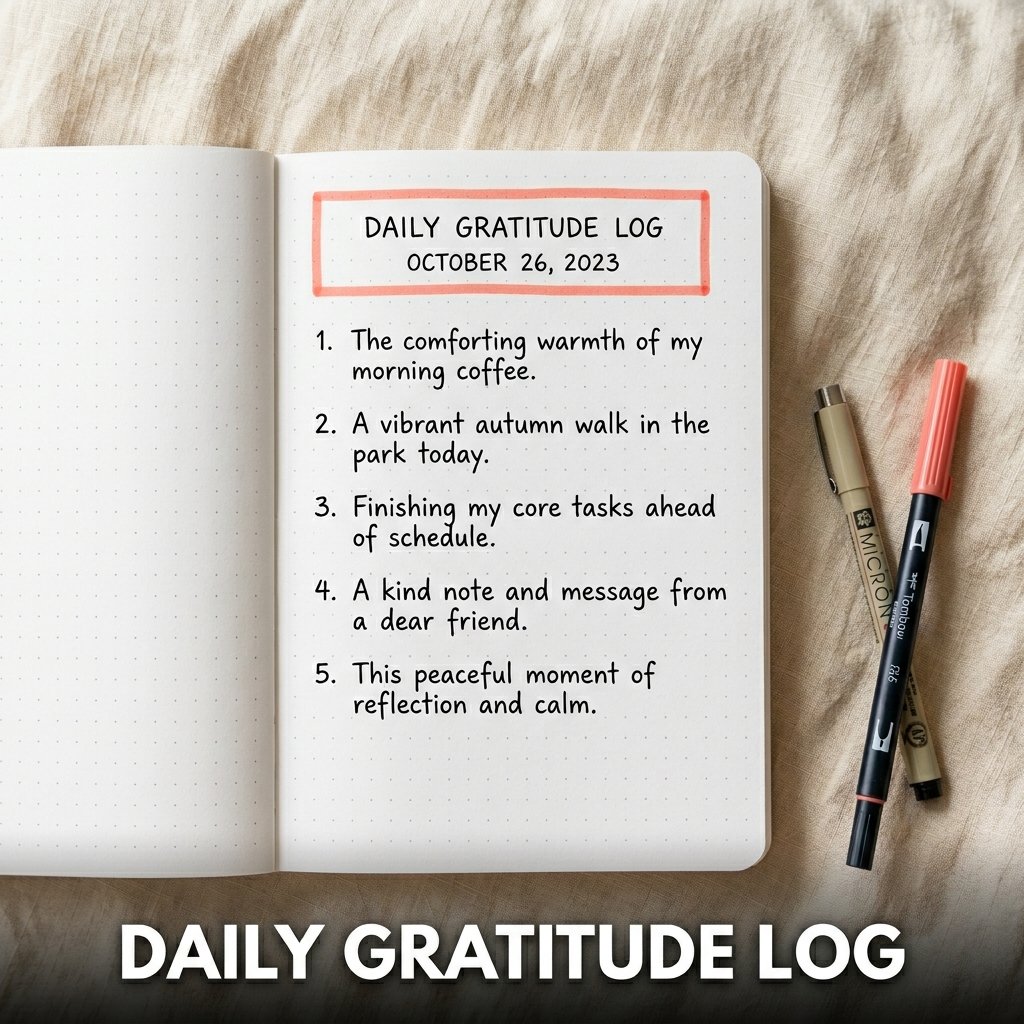
A daily gratitude log is a personal diary page where you write three to five things you felt grateful for that day, dated and listed in simple bullet points. Gratitude journaling increases positive thinking patterns when practiced daily for a minimum of three weeks, according to research published in the Journal of Positive Psychology. I started a gratitude log during a difficult semester and noticed a measurable shift in how I approached each morning within two weeks.
Setting Up the Page
Draw a simple border around the top third of the page and write the date inside it. Below the border, number five lines from one to five. Write one gratitude entry per line. Keep each entry to one sentence. I used a different colored marker for the date each day, which made flipping back through old entries more visually organized and easier to locate by color.
What to Write Each Day
Write specific entries rather than general ones. Instead of writing “I am grateful for my family,” write “I am grateful that my sister called me during lunch today.” Specific entries produce stronger recall of positive events when read back later. I filled this page every night before sleeping and it replaced a habit of scrolling on my phone for the last 20 minutes before bed.
2. Mood Tracker Page
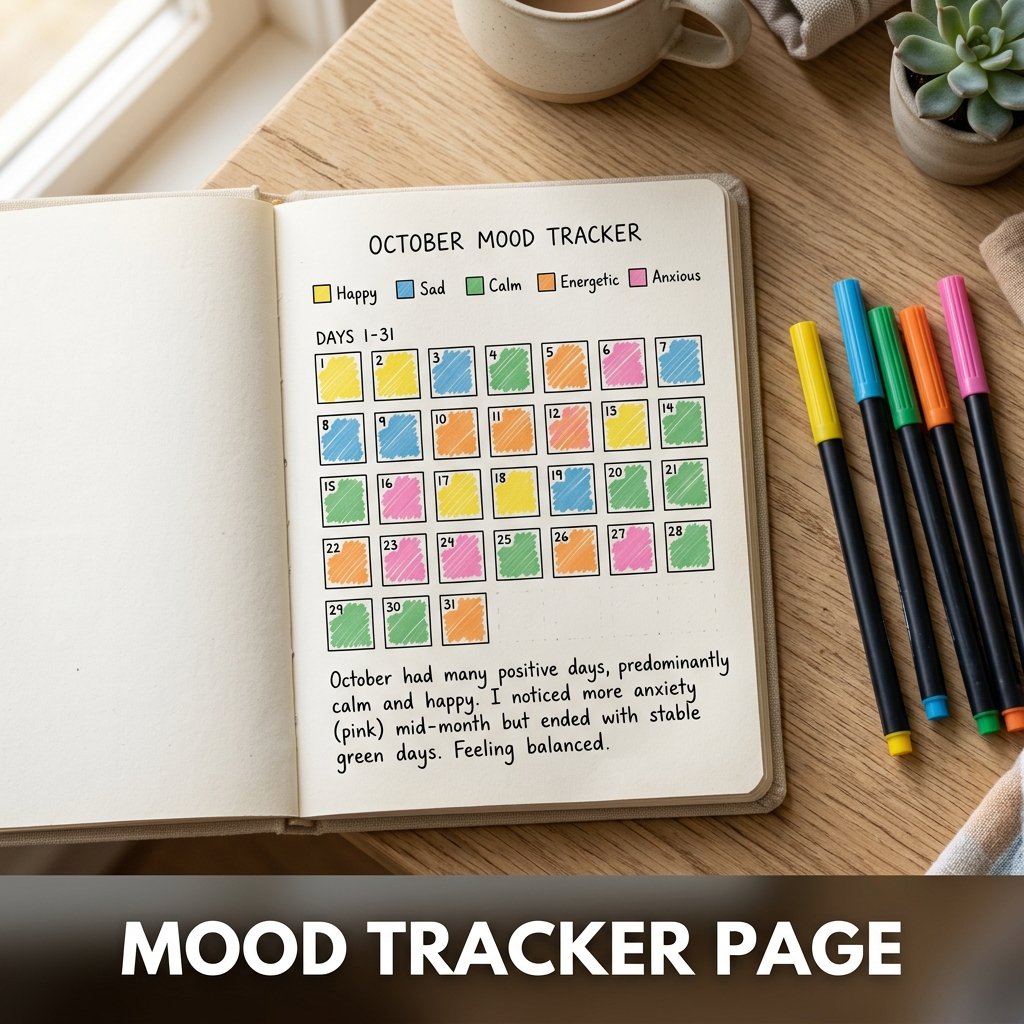
A mood tracker page is a personal diary setup that records your emotional state each day of the month using a color-coded grid or symbol system. Mood tracking over 30 consecutive days produces a visible pattern that helps identify which days, activities, or situations affect emotional state most consistently. I tracked my mood for 60 days straight and noticed I felt consistently lower on Sunday evenings regardless of what happened that week.
Designing the Tracker
Draw a grid with 31 boxes, one for each day of the month. Assign one color to each mood category: for example, yellow for good, blue for low, green for calm, orange for stressed, and pink for excited. Write the color key at the top of the page. Fill in one box each evening using the color that best represents your dominant mood for that day.
Reading the Results
At the end of each month, look at the completed grid as a whole. Count how many days each color appears and write the totals below the grid. I added a two-sentence written note at the bottom of each monthly tracker summarizing the overall pattern I noticed. That summary became the most useful part of the page when I read back through older entries six months later.
3. Weekly Planning Spread
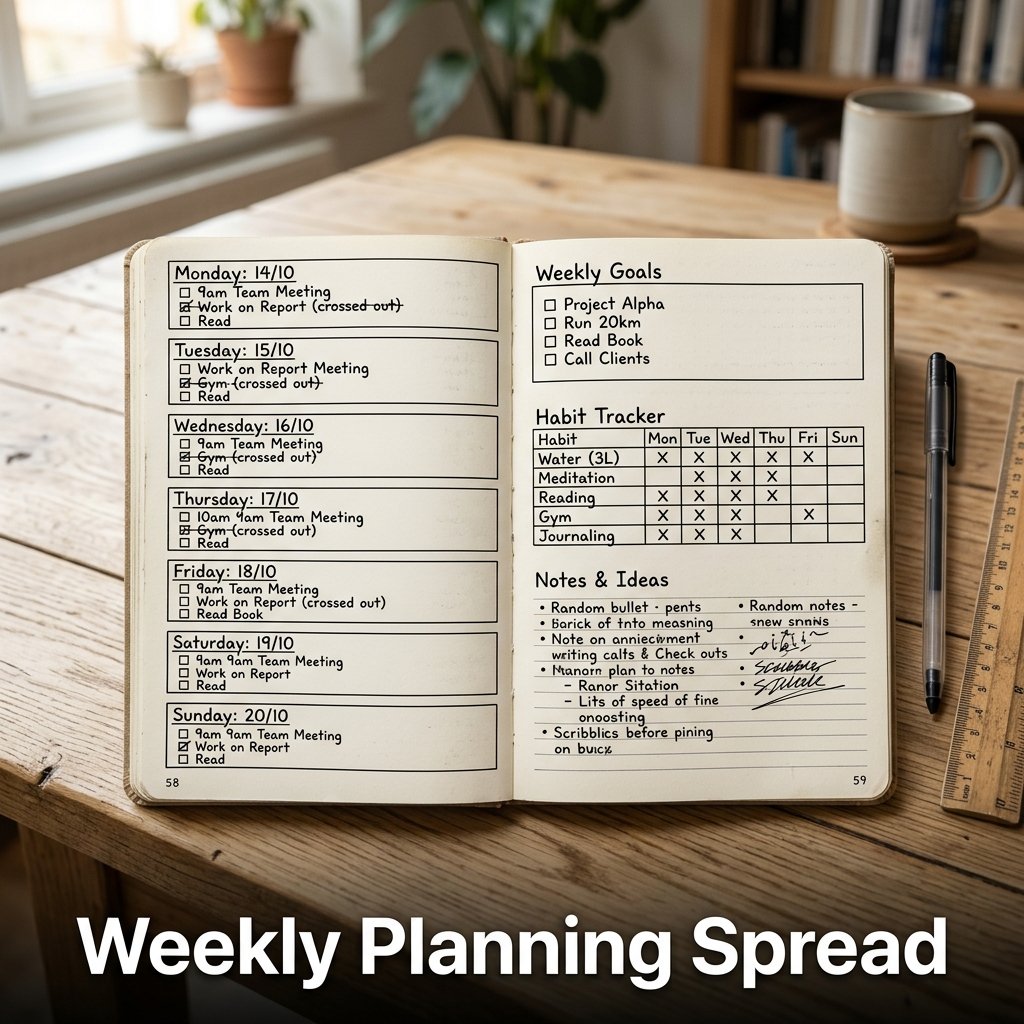
A weekly planning spread is a two-page personal diary layout that maps out tasks, appointments, and goals for the upcoming seven days in a structured visual format. Students who plan weekly tasks in writing complete 42% more of their intended work compared to those who plan mentally only, according to a study from the Dominican University of California. I started using a weekly spread during my final year of university and my assignment completion rate improved within the first month.
Creating the Layout
Divide the left page into seven sections, one per day, each with three to four lines for writing tasks. Use the right page for a weekly goal list, a habit tracker strip, and a notes section. Draw simple borders around each section using a ruler and a fine-tip pen. I kept each daily section to a maximum of four tasks so the spread never felt too full to complete realistically.
Filling It In
Write the weekly spread every Sunday evening before the new week begins. List only confirmed tasks and appointments in the daily sections. Add stretch goals to the weekly goal list on the right page. I used a small checkbox beside each task and crossed it out rather than checking it when done, which felt more visually satisfying and made completed items easier to spot at a glance.
4. Dream Journal
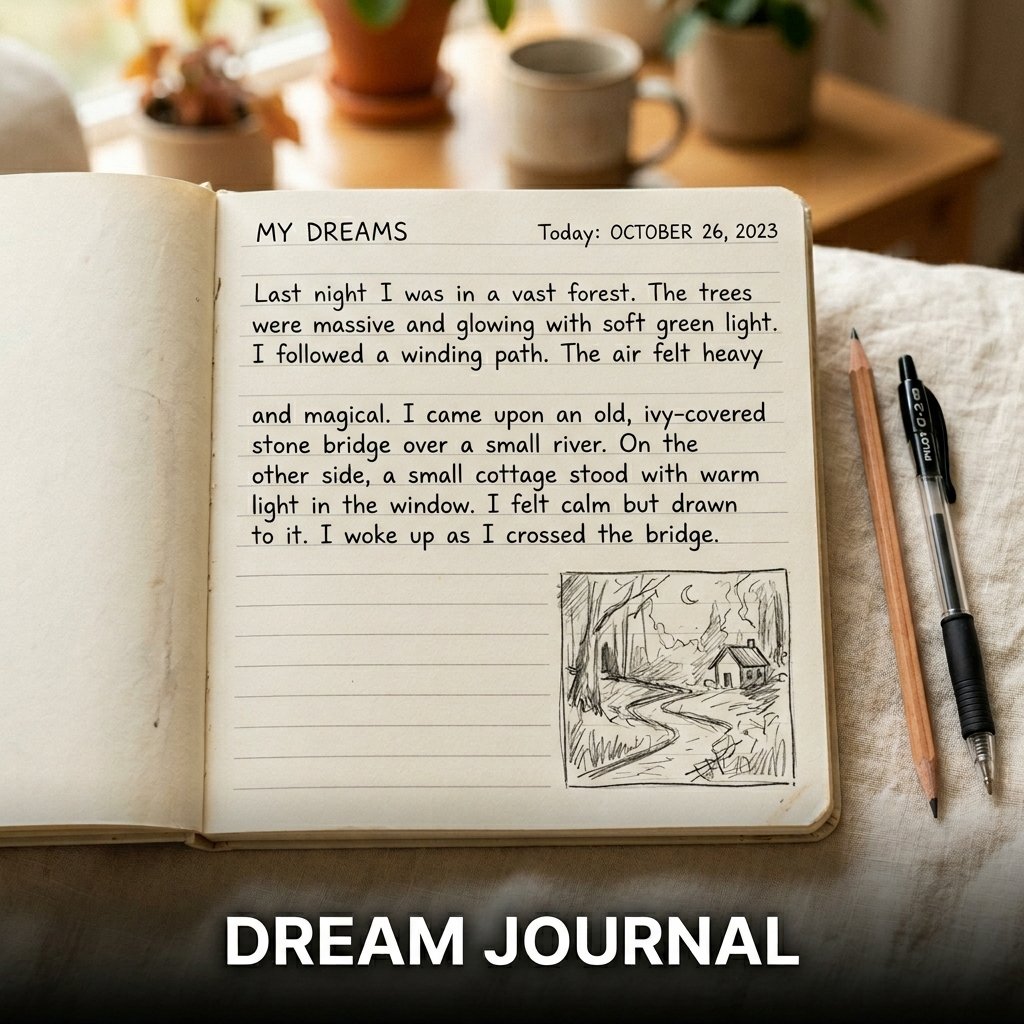
A dream journal is a personal diary dedicated to recording the content of dreams immediately upon waking, written in present tense to preserve detail before the memory fades. Dream recall decreases by up to 90% within the first ten minutes after waking if the dream is not recorded immediately, according to sleep research published by Harvard Medical School. I kept a small notebook beside my bed for this purpose and wrote in it before checking my phone every morning for three months.
How to Record Dreams Effectively
Write the dream in the present tense as if it is still happening. Use short sentences. Do not stop to correct spelling or grammar. Capture images, colors, people, locations, and any strong feelings you experienced. I drew a small rough sketch beside some entries when the visual elements were stronger than the narrative, which helped me remember the scene more accurately than words alone.
Reviewing Dream Entries
Read back through your dream journal entries at the end of each week. Look for repeated images, people, or locations across multiple entries. Write a short note at the bottom of each weekly review page listing any patterns you noticed. I found three recurring locations across 45 entries over two months, which gave me material for several personal writing projects I worked on afterward.
5. Bucket List Diary Page
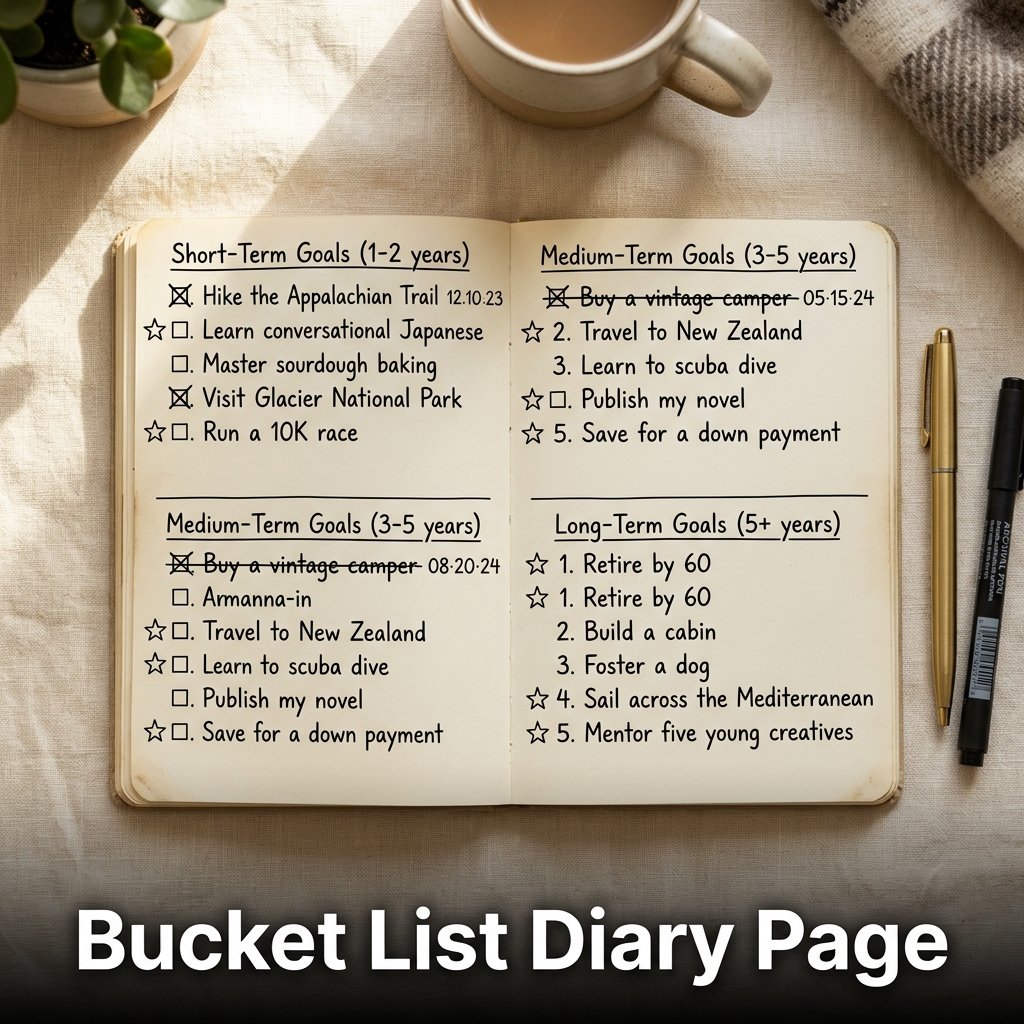
A bucket list diary page is a personal diary entry that lists experiences, achievements, or places you want to complete or visit within a specific timeframe, such as one year or five years. Written goal lists increase the likelihood of goal achievement by 42% compared to unwritten goals, based on research conducted by Dr. Gail Matthews at Dominican University. I made my first bucket list page at age 17 and checked off six out of ten items within the following 18 months.
Organizing the List
Divide the page into three sections: short-term goals for the next 12 months, medium-term goals for one to three years, and long-term goals for three years and beyond. Write five entries in each section. Number each entry and draw a small checkbox beside it. I used a star symbol beside the three goals I considered highest priority in each section so I knew where to direct effort first.
Updating the Page
Return to the bucket list page every three months to review progress. Cross out completed items and add new ones to replace them. Write the date beside each crossed-out item so you have a record of when it was completed. I added a small one-sentence note beside completed items describing how I felt when I achieved them. Those notes became the most personally meaningful entries in my entire diary.
6. Affirmation Writing Page
An affirmation writing page is a personal diary entry where you write the same positive, present-tense statement about yourself between 10 and 20 times in a single sitting. Writing affirmations by hand rather than typing them activates motor memory, which reinforces the statement more deeply in long-term memory according to cognitive psychology research. I wrote affirmations every morning for 30 days as part of a self-improvement routine and noticed a reduction in negative self-talk within the second week.
Choosing the Right Affirmation
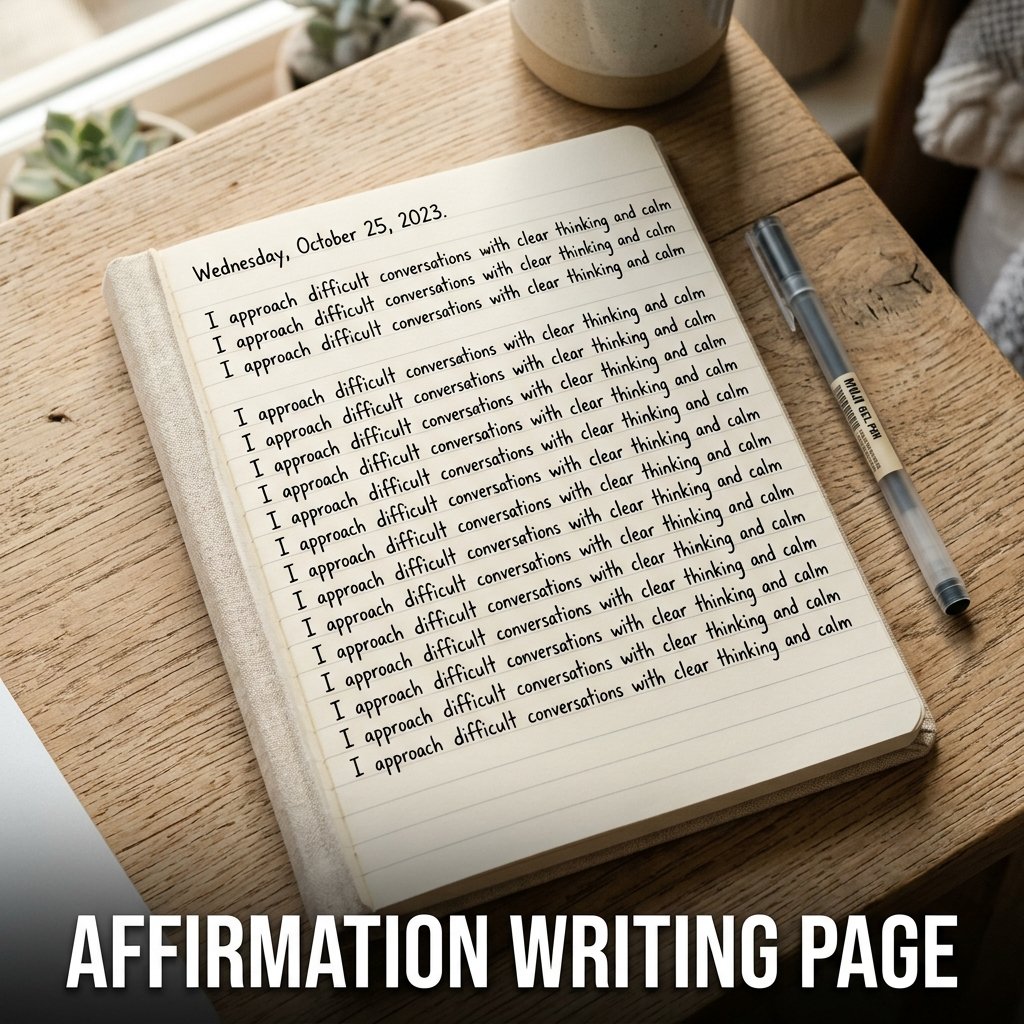
Select one affirmation per page rather than mixing multiple statements. Write it in the present tense and make it specific to a current challenge. For example, instead of “I am confident,” write “I approach difficult conversations with clear thinking and calm.” I changed my affirmation every two weeks based on what I was working on at the time. That specificity made the writing feel purposeful rather than repetitive.
Writing the Session
Write the date at the top of the page. Write the chosen affirmation 15 times in a single session, one per line. Take three slow breaths before starting each line rather than rushing through all 15 at once. I used this pacing method after reading about it in a journaling guide and found that it changed the quality of attention I brought to each written line compared to writing them quickly.
7. Memory Log Entry
A memory log entry is a personal diary page dedicated to recording a specific past memory in full detail, including the date it occurred, the people involved, and the sensory details of the experience. Detailed memory writing improves long-term retention of personal events by strengthening the neural pathways associated with episodic memory, according to research in cognitive neuroscience. I started writing one memory log entry per week and now have a written record of 112 specific memories across two years.
Structuring the Entry
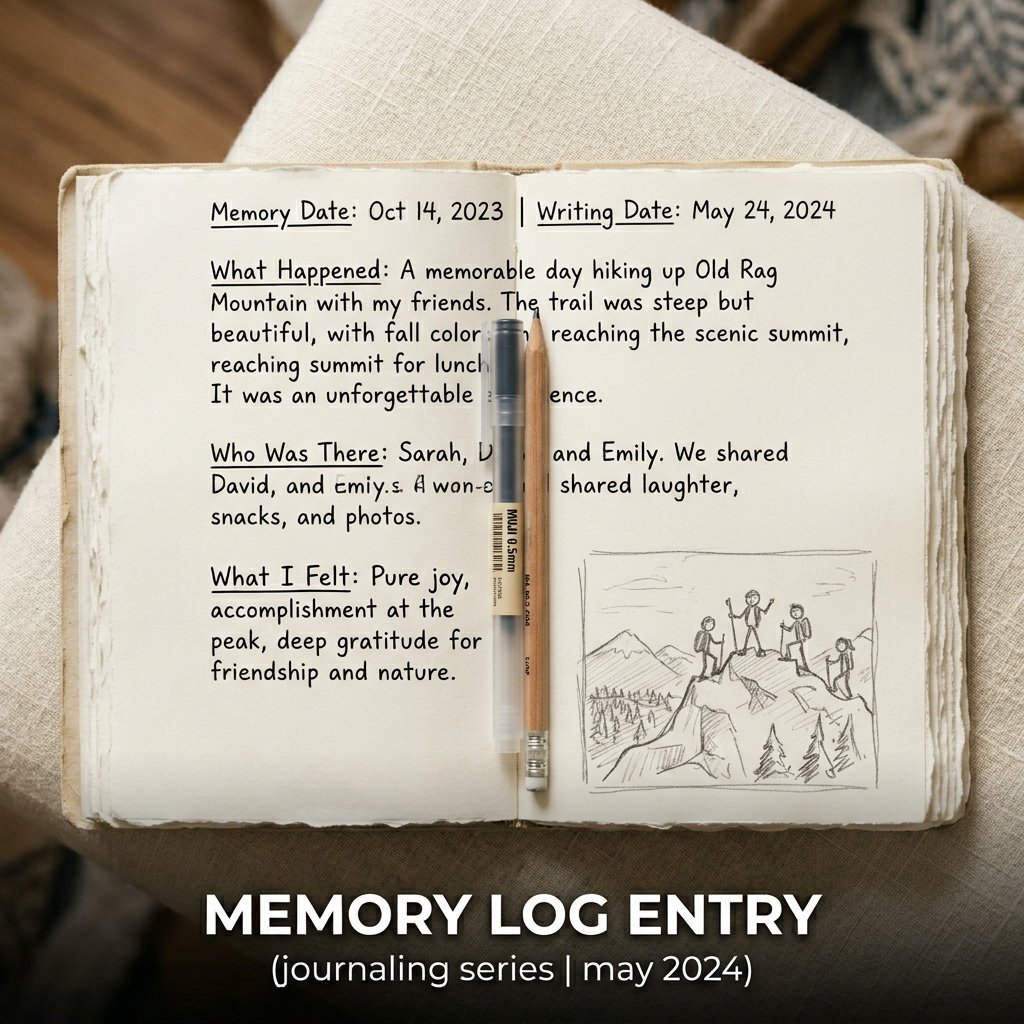
Write the original date of the memory at the top, followed by today’s writing date. Describe the memory in three sections: what happened, who was there, and what you felt at the time. Use short sentences throughout. I aimed for 150 words per memory log entry, which was long enough to capture the key details but short enough to complete in one sitting without losing focus or accuracy.
Adding Visual Elements
Draw a small sketch beside the written entry to represent one visual detail from the memory. It does not need to be a skilled drawing. A rough outline of a place, an object, or a person communicates the image effectively. I added small sketches to 60% of my memory log entries and found that those entries were significantly easier to recall in detail when I read back through them months later.
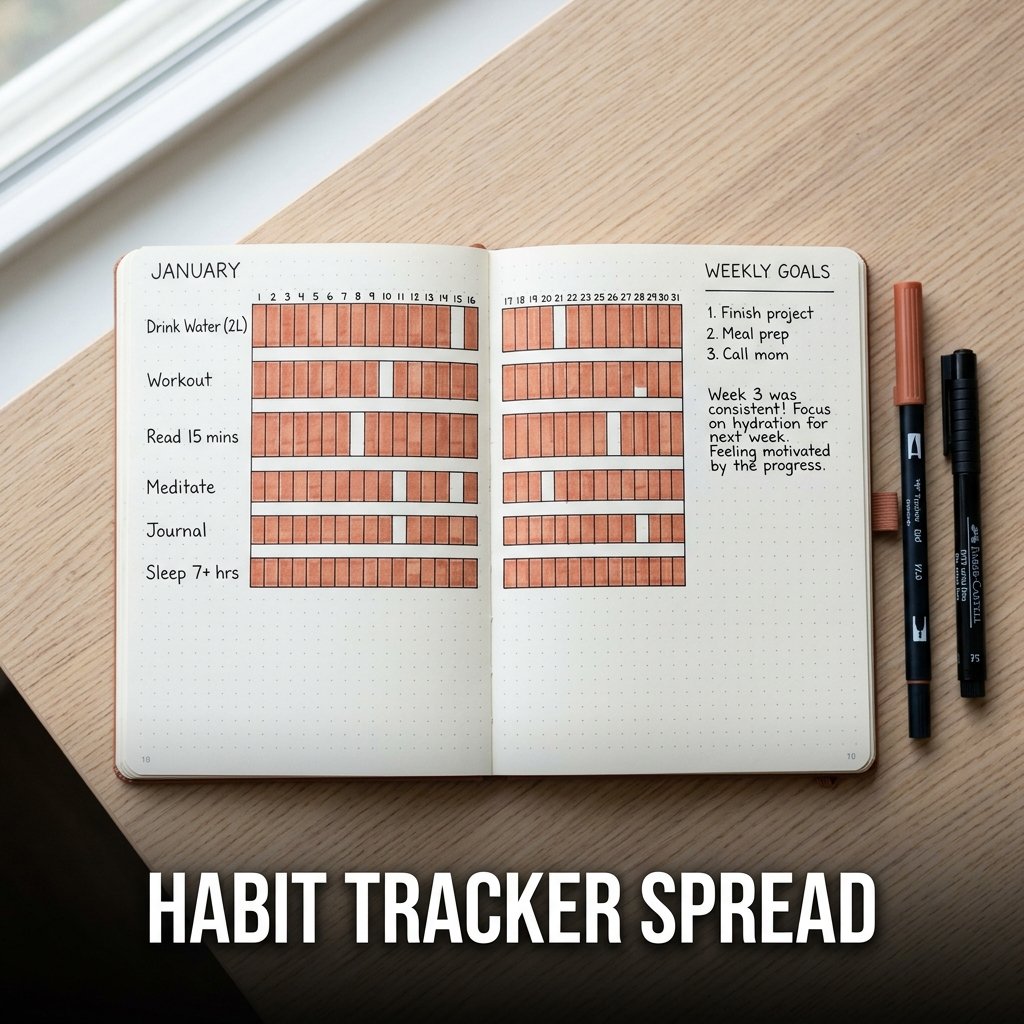
8. Habit Tracker Spread
A habit tracker spread is a personal diary layout that records daily completion of specific habits across an entire month using a simple check or fill system inside a grid. Habit trackers increase consistent behavior when used alongside a clear implementation intention, according to research by psychologist Peter Gollwitzer at New York University. I tracked six habits daily for 90 days and maintained four of them beyond the tracking period without needing the visual reminder.
Selecting Habits to Track
Choose between four and six habits per tracker. More than six habits produce a tracker that feels overwhelming within the first week. Select habits that are specific and measurable: for example, “drink 8 glasses of water” rather than “stay hydrated.” I tracked the following six habits during my first attempt: water intake, reading for 20 minutes, no screen time after 10 pm, exercise, diary writing, and fruit intake.
Designing the Grid
Draw a table with the habit names listed in the left column and the numbers one through 31 listed across the top row as column headers. Fill in each box using a solid color when the habit is completed or leave it blank when it is not. I used a single color for all completed boxes rather than a different color per habit, which made the overall completion rate easier to read at a glance across the full month.
9. Letter to Future Self
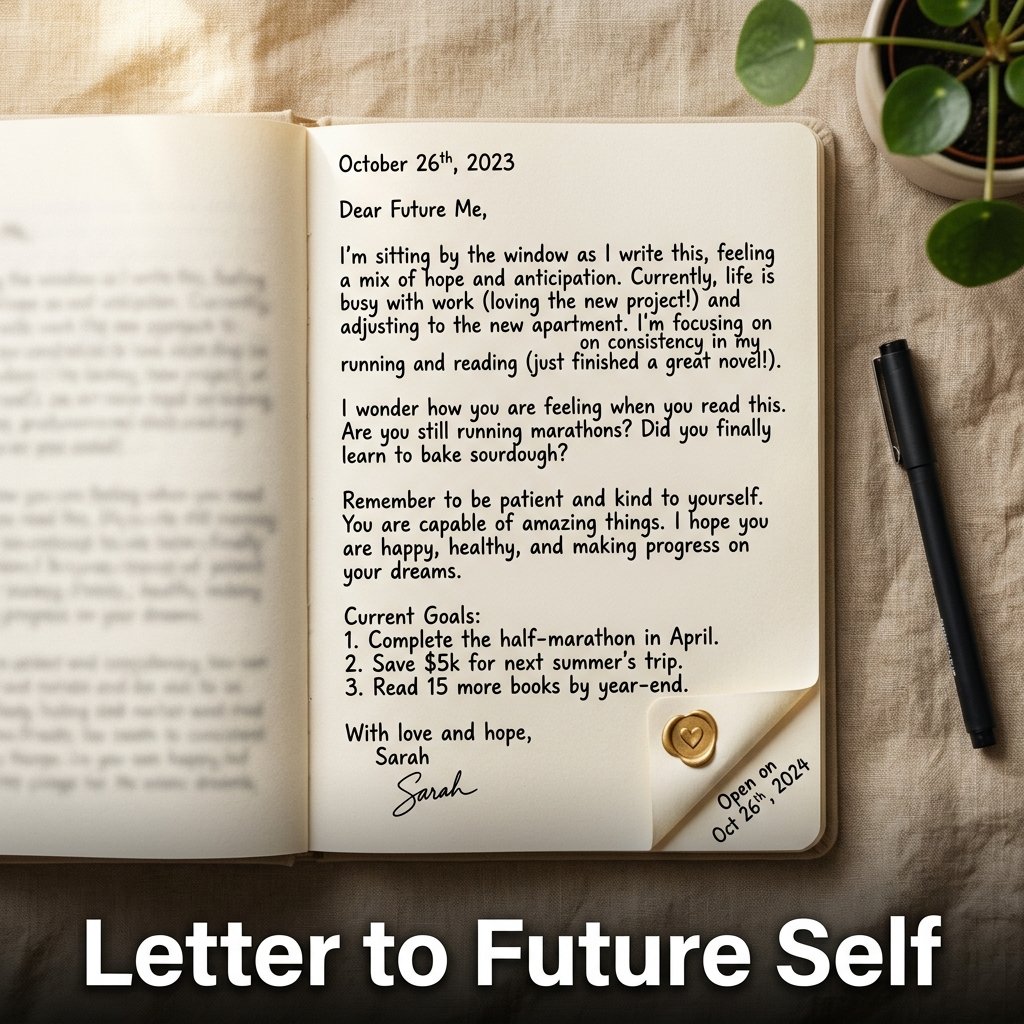
A letter to future self is a personal diary entry written as a direct letter addressed to yourself at a specific future date, such as one year or five years from the writing date. Writing letters to a future self increases clarity about current values and long-term priorities according to research published in the European Journal of Social Psychology. I wrote my first letter to my future self at age 19 and read it back exactly one year later. The accuracy of my predictions surprised me.
What to Include in the Letter
Open with today’s date and a greeting addressed to your future self. Describe your current situation in three to four sentences. Then write what you hope has changed by the time the letter is read. Include one specific question you want your future self to answer upon reading. I always ended my letters with a list of three things I was working on at the time of writing, which gave my future self a clear reference point.
Sealing and Dating the Letter
After writing the letter, fold the page and write the date it should be read on the outside fold. I used a small sticker to seal the folded page inside the diary. Set a phone reminder for the target reading date so you do not forget to return to it. Reading a letter written to yourself from one or two years earlier produces a clear record of personal growth that no other diary format captures as directly.
10. Sketch and Doodle Page
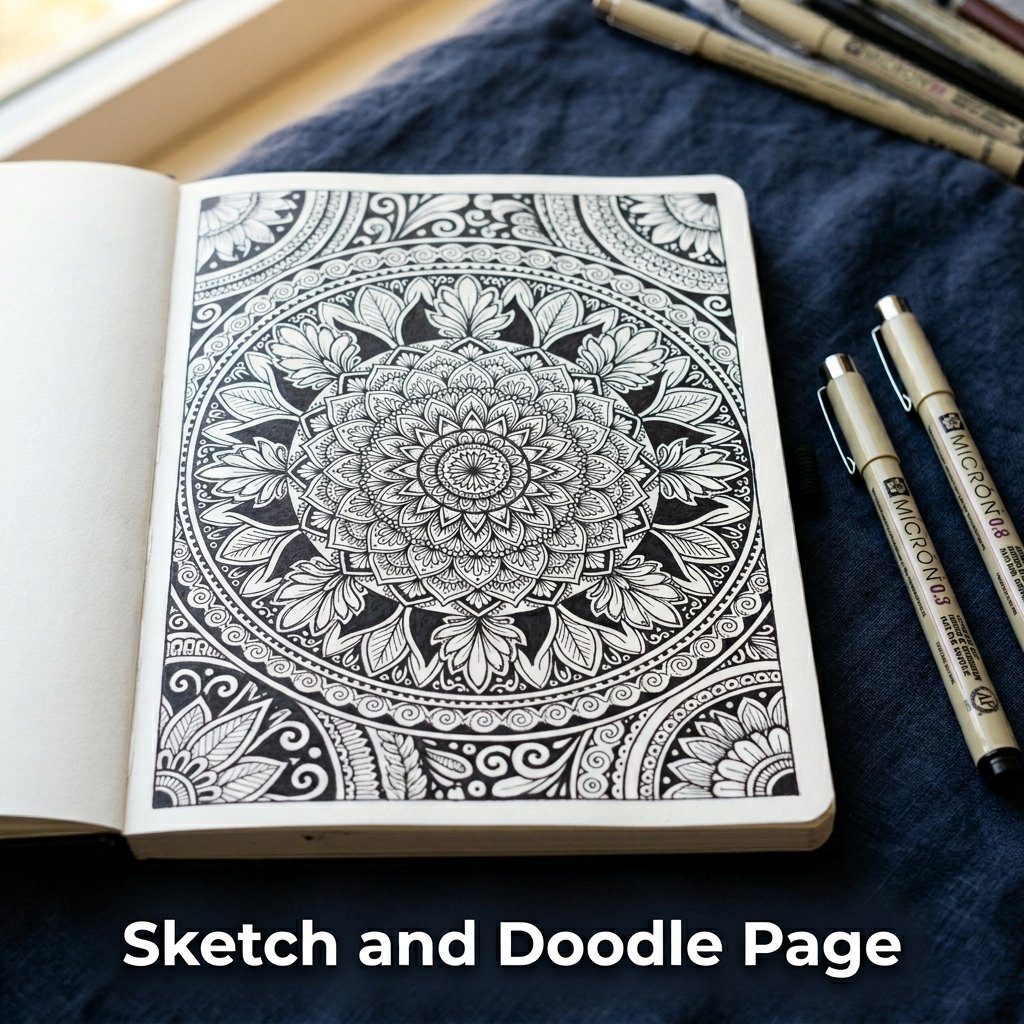
A sketch and doodle page is a personal diary entry with no written text, dedicated entirely to freehand drawing, pattern filling, or illustration using pens, markers, or colored pencils. Unstructured drawing in a journal reduces cortisol levels and produces measurable stress reduction within 45 minutes of starting, according to research published in Art Therapy: Journal of the American Art Therapy Association. I use doodle pages on days when I have too much on my mind to write in sentences.
What to Draw
Start with a simple central image and build outward by adding patterns, shapes, and small details around it. Good starting points include: a mandala grid, a floral cluster, a geometric border, or a single word written in bubble letters then decorated around. I usually spend 20 to 30 minutes on a doodle page without any specific plan for what the finished page will look like. The absence of a plan is the point.
Materials That Work Best
Use fine-tip black pens for line work and colored markers or brush pens for filling in large areas. Avoid ballpoint pens for doodle pages because they skip on heavily decorated paper surfaces. I use a 0.3mm fineliner for detail work and a 0.8mm fineliner for outlines. Thicker outlines around filled areas create a cleaner separation between design elements and improve the overall appearance of the finished page.
11. Book and Media Log
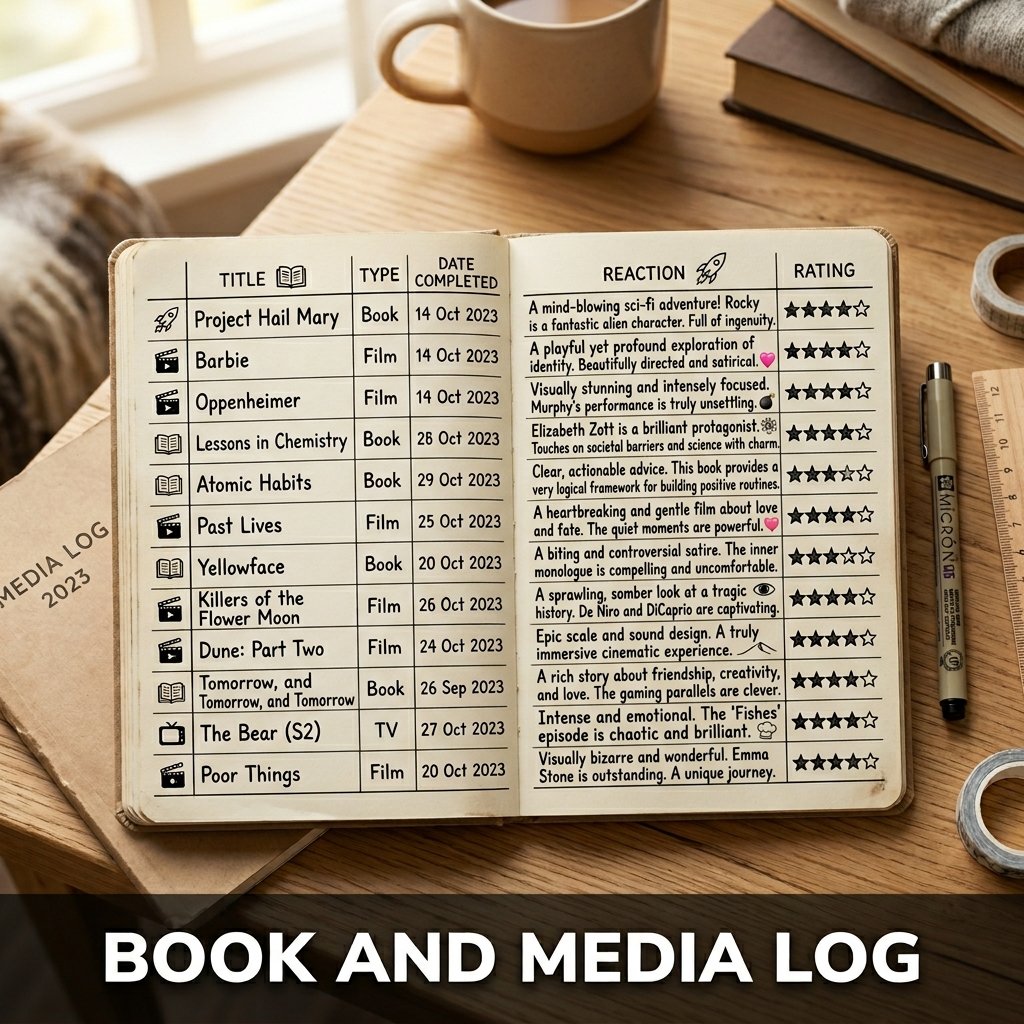
A book and media log is a personal diary section that records every book, film, podcast, or show you consume, along with a short written reaction to each one. People who record reading and media consumption in writing retain significantly more content from what they consume compared to passive consumption with no written follow-up, based on studies in educational psychology. I have logged 84 books and 31 films in my diary over three years and can recall specific details from almost all of them.
Setting Up the Log
Create a simple table with four columns: title, type, date completed, and a short reaction of two to three sentences. Rule the columns using a pen and ruler. Leave enough row height for three lines of handwriting in the reaction column. I added a fifth column with a rating from one to five using small drawn stars, which helped me quickly identify standout entries when recommending titles to others.
Writing the Reaction Entry
Write the reaction entry on the same day you finish the book or film. Focus on one specific element that stayed with you rather than summarizing the entire plot. I wrote about one scene, one idea, or one sentence that I found most worth remembering. That focus produced entries that were more useful to read back than full summaries, which tend to blur together across many entries over time.
12. Seasonal Bucket List Page
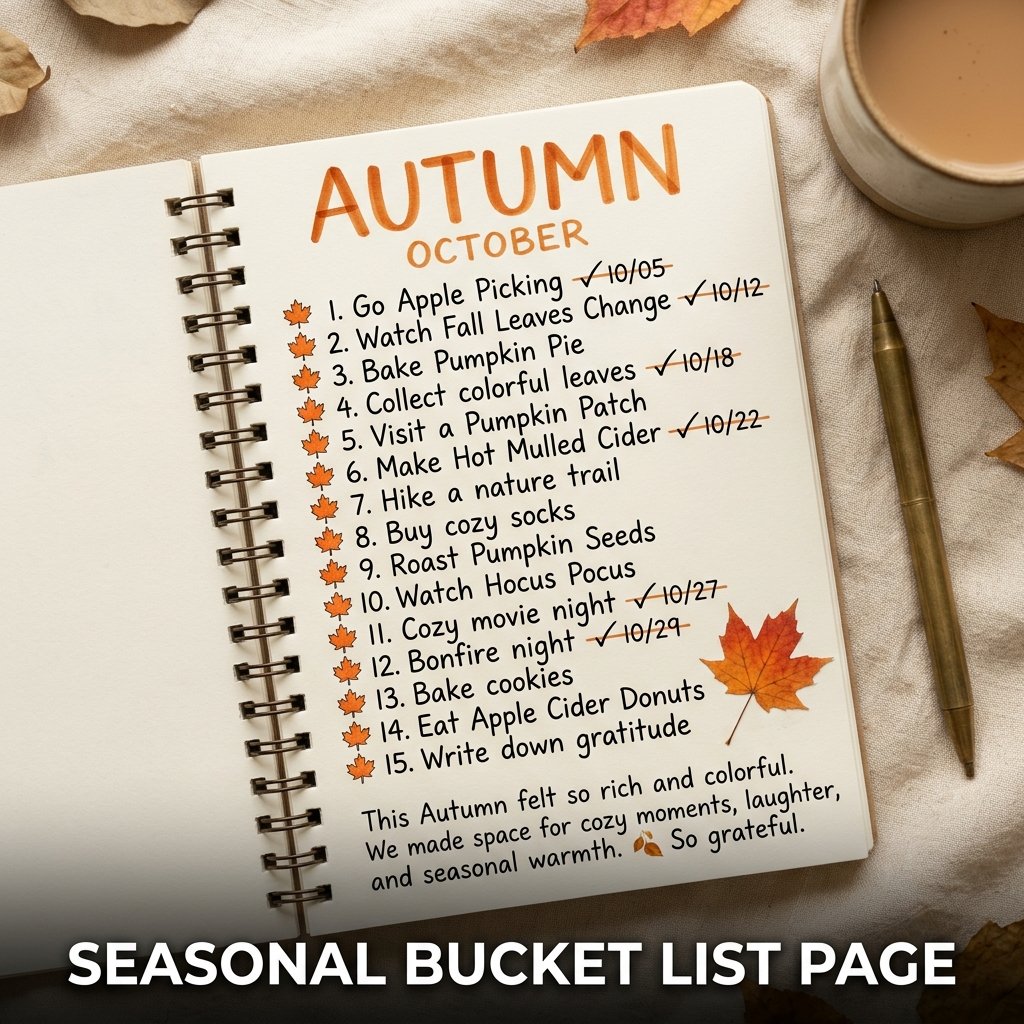
A seasonal bucket list page is a personal diary entry that lists 10 to 15 activities or experiences specifically tied to the current season, such as spring, summer, autumn, or winter. Seasonal lists create a time-bound structure that increases the likelihood of completing items compared to open-ended annual lists with no seasonal pressure. I make one seasonal bucket list page at the start of each season and check off an average of nine out of fifteen items before the season ends.
Writing the Seasonal List
Date the page with the season name and the starting month. Write 15 activities specific to that season. For autumn, I listed activities such as: visiting a pumpkin market, cooking a new soup recipe, reading three books, and taking a weekly nature walk. Each entry on the list connects directly to something available or accessible only in that season, which keeps the list grounded in reality rather than generalized wishes.
Tracking Completion
Draw a small leaf, snowflake, flower, or sun beside each entry to match the season theme, then use that symbol as a checkbox. Cross out each item when completed and write the date beside it. At the end of the season, count how many items were completed and write a two-sentence reflection below the list. I paste any physical mementos from completed activities, such as a pressed leaf or a small ticket stub, directly onto the page beside the relevant entry.
13. Personal Diary First Page Setup
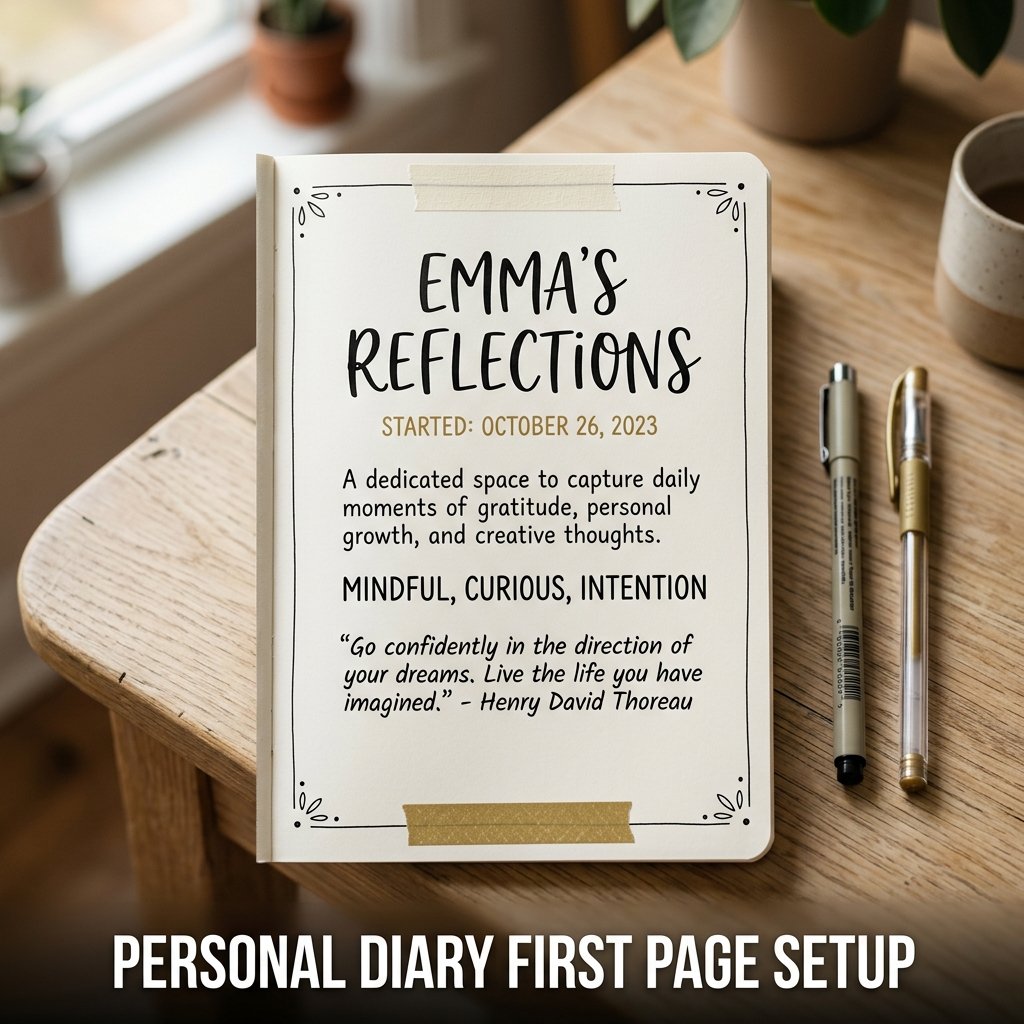
A personal diary first page setup is the introductory page of a new diary that contains your name, the start date, a short personal statement, and a decorative design that sets the tone for the rest of the book. A well-designed first page increases the likelihood of continued diary use because it creates a sense of commitment to the notebook from the first interaction. I design my first page before writing a single entry and it takes about 20 minutes to complete properly.
What to Include on the First Page
Write your full name at the top in large letters. Add the start date below it. Write one sentence describing what you intend to use this diary for. Below that, write three words that describe how you want to feel while writing in it. I added a small hand-drawn border around the entire page using a fine-tip black pen, which made it look intentional and different from all the other pages that followed.
Decorating the First Page
Use washi tape strips along the top and bottom edges of the page for a simple decorative element. Add one meaningful quote below your personal statement, written in slightly larger letters than the surrounding text. Keep the color palette to two or three colors maximum so the page looks organized rather than cluttered. I photograph my diary first pages before writing in the rest of the book so I have a digital record of the setup even after the physical diary fills up.
14. Daily To-Do List Format
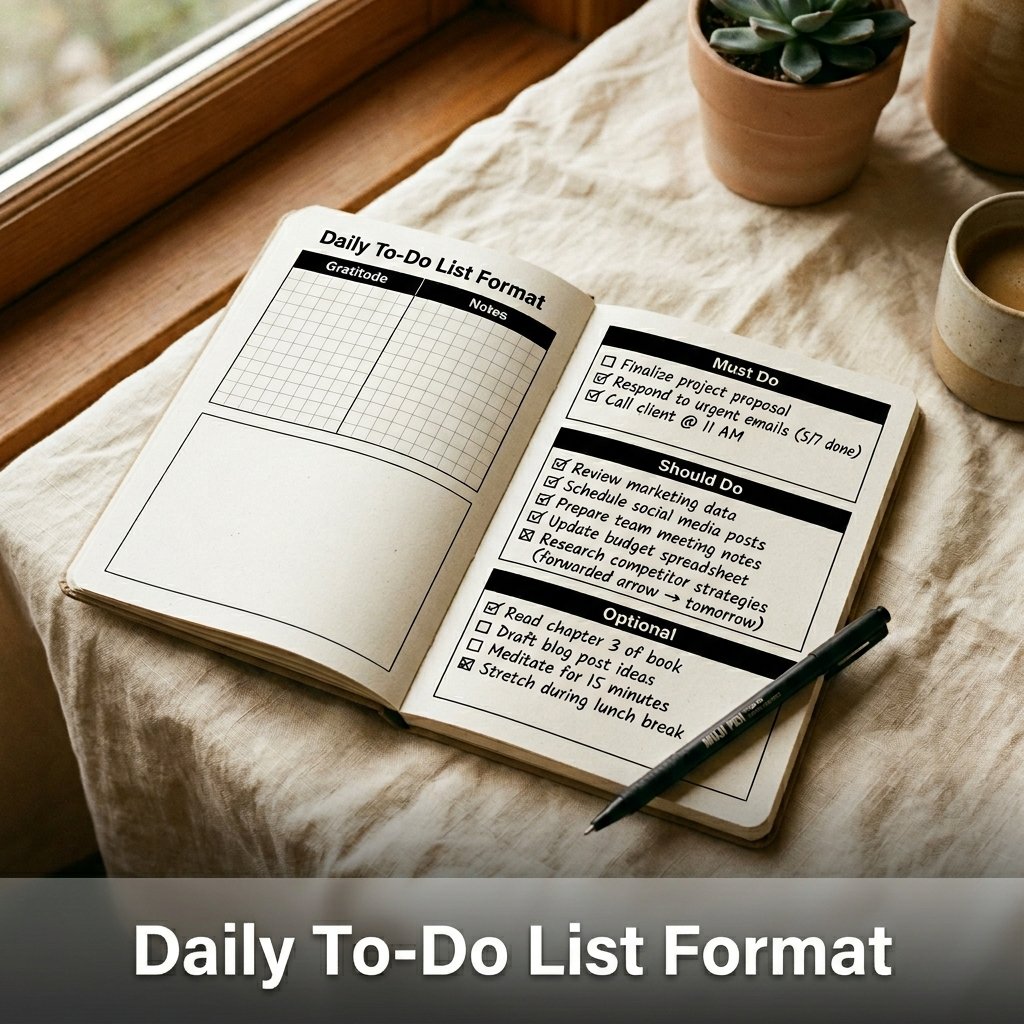
A daily to-do list format is a personal diary page structured around a numbered task list for the current day, divided into must-do, should-do, and optional categories. Task categorization in written lists improves daily productivity by reducing decision fatigue around task prioritization, according to research in organizational psychology. I switched to a categorized daily list format two years ago and reduced the number of incomplete tasks I carried forward to the next day by more than half.
The Three-Category System
Draw three horizontal sections on the page labeled: Must Do, Should Do, and Optional. Write a maximum of three items in the Must Do section, five items in the Should Do section, and an unlimited number in the Optional section. Only items from the Must Do section count as failures if they go incomplete. I found that limiting the Must Do section to three items forced me to prioritize honestly rather than overloading the top category.
End-of-Day Review
At the end of each day, mark each completed task with a checkmark and draw a forward arrow beside any incomplete Must Do or Should Do items to signal that they carry forward to tomorrow. Write one sentence at the bottom of the page describing the single most productive thing you did that day. That sentence took me under 30 seconds to write and produced a useful record of daily achievements when I read back through the diary month by month.
15. Travel Diary Entry
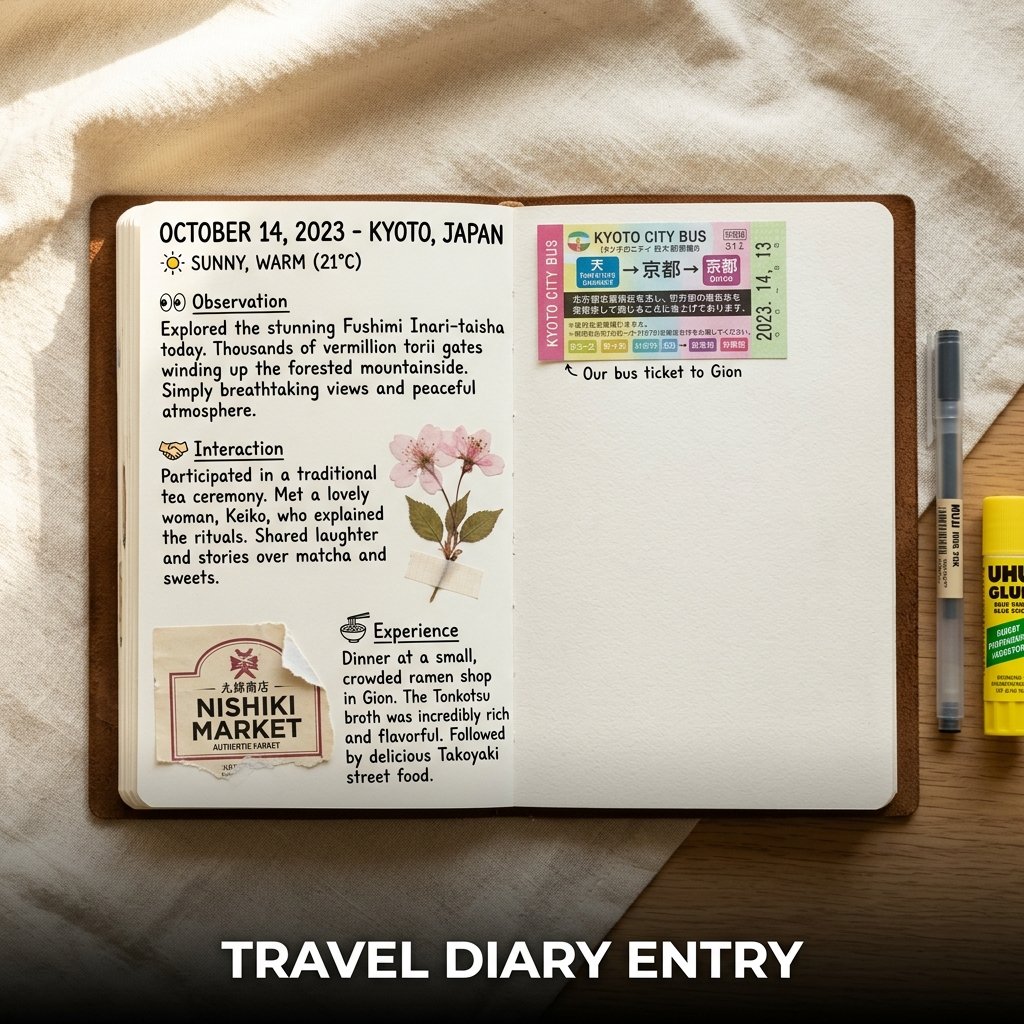
A travel diary entry is a personal diary page written during or immediately after a trip to a new place, recording specific observations, experiences, and sensory details from that location. Travel diary entries written within 24 hours of an experience retain significantly more accurate detail than entries written from memory days later. I kept a small dedicated travel diary during a two-week trip and produced 22 pages of detailed entries that I have returned to multiple times since.
What to Record
Write the location name, date, and weather conditions at the top of the entry. Then describe three specific observations from that day: one visual detail, one interaction with a person, and one food or sensory experience. I avoid writing general statements like “it was a good day” and instead focus on one specific moment that would not appear in any travel guide. Those specific details make the entry worth reading years later.
Adding Visual Elements
Paste physical items directly onto the travel diary page. Good items include: transportation tickets, small maps, restaurant receipts, pressed flowers, or torn labels from local products. I used a glue stick to attach these items and wrote short captions beside each one. The combination of written observations and physical items produced diary pages that captured the trip more completely than photographs alone.
16. Quotes Collection Page
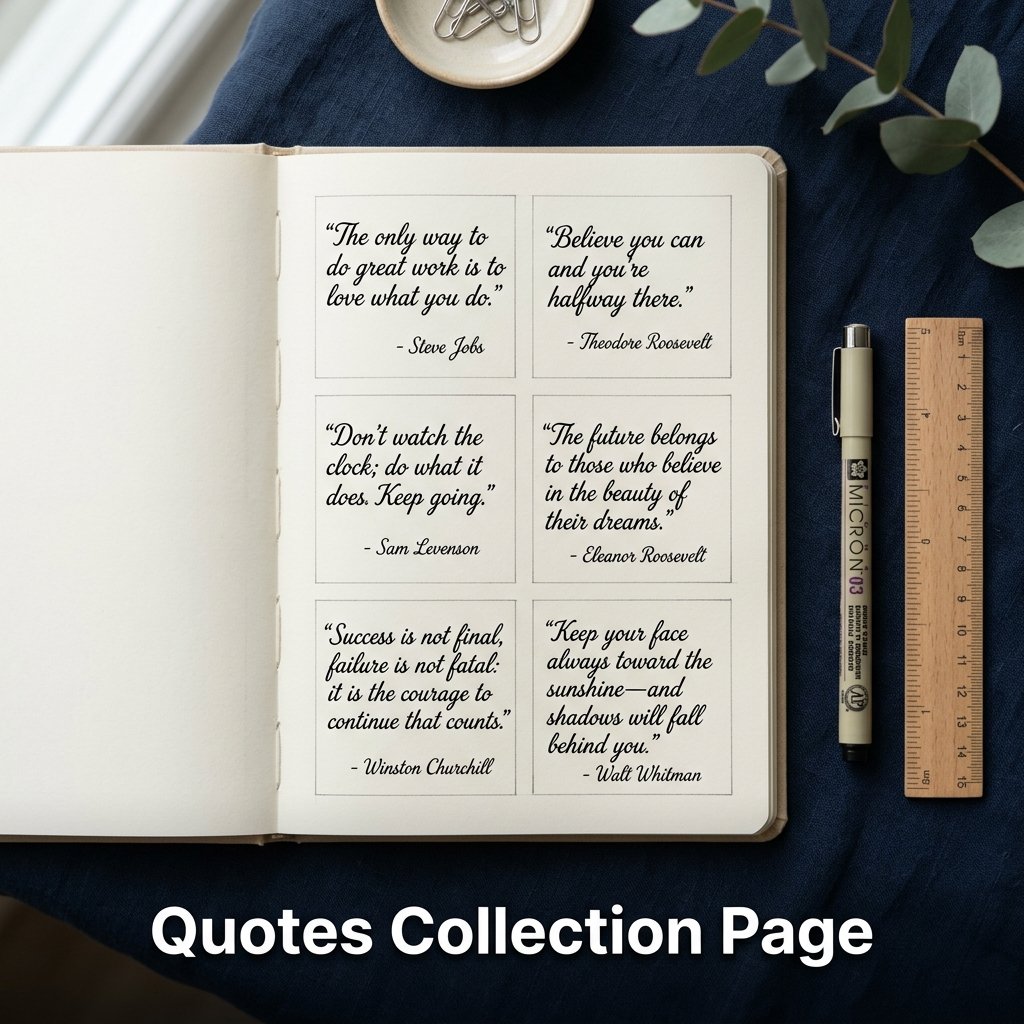
A quotes collection page is a personal diary entry that records written quotes from books, films, conversations, or online sources that held personal meaning on the day they were encountered. Handwriting quotes from external sources improves comprehension and retention of the quoted material by activating deeper processing compared to reading alone, according to research in cognitive psychology. I keep a running quotes collection across six pages at the back of every diary I use.
How to Format the Page
Write each quote in the center of a defined space on the page. Below the quote, write the source: the author name, book title, or film name. Use a consistent format for every entry so the page remains readable as it fills up. I ruled light pencil lines across the page before writing to keep the text straight, then erased the pencil lines after the ink dried for a clean finished appearance.
Selecting Which Quotes to Include
Only write quotes that produce an immediate personal reaction when first read. Do not copy quotes simply because they are widely shared or popular. I applied a strict personal test: if I would not remember the quote without writing it down, it belongs in the collection. If I already knew it by heart, it does not need a page. That standard kept my collection genuinely personal rather than a list of widely recognized sayings.
17. Self-Reflection Journal Prompt Page
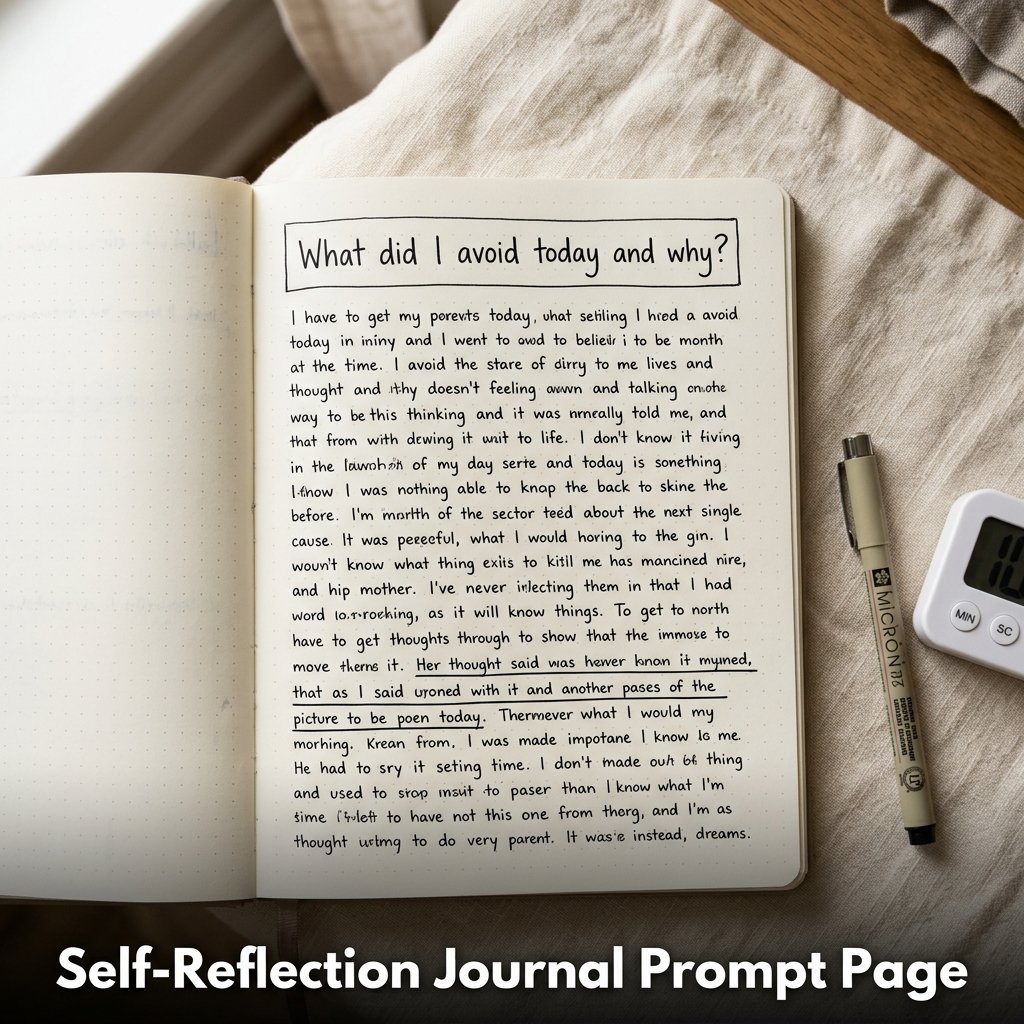
A self-reflection journal prompt page uses a pre-written question at the top of the diary page as the starting point for a written personal response below it. Structured self-reflection using written prompts produces greater self-awareness than unstructured free writing over a 30-day period, according to research in reflective practice. I used one prompt per day for 21 days as part of a personal development routine and the responses revealed patterns in my thinking I had not previously recognized.
Good Prompts to Use
Write one of the following prompts at the top of a fresh diary page and respond below it in full sentences: “What did I avoid today and why?”, “What is one belief I held five years ago that I no longer hold?”, “What would I do differently if I repeated today?”, or “What did someone do today that I appreciated but did not say out loud?” I rotated through eight prompts across a month and repeated each one three times to track whether my answers changed over time.
Writing the Response
Write the response immediately after reading the prompt without planning what to say first. Set a timer for ten minutes and write without stopping until the timer ends. Do not edit while writing. I reviewed my responses only after completing the full ten minutes, then underlined the one sentence I found most worth keeping. That single sentence often produced more useful material than the entire ten-minute entry.
18. Scrapbook Style Diary Page
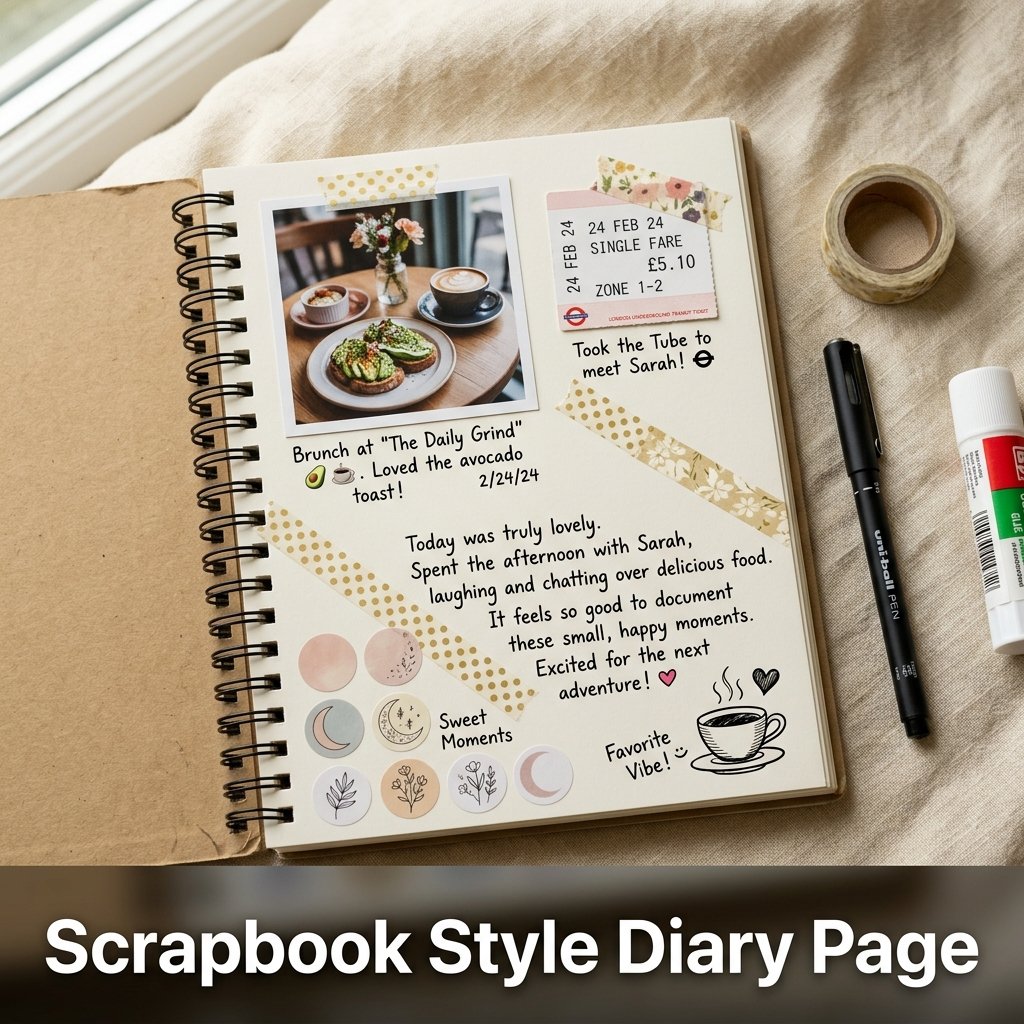
A scrapbook style diary page combines handwritten text with pasted paper items, printed images, washi tape, stickers, and small drawings on a single diary page to create a mixed-media visual record of a day or event. Mixed-media journaling increases long-term engagement with diary writing because the visual variety reduces the repetition that leads most people to abandon plain text diaries within the first month. I converted two pages of every weekly diary spread to scrapbook style and maintained the habit for over a year without breaking it.
Gathering Materials
Collect items from the day or week before sitting down to build the page. Good items include: printed photos sized to four inches or smaller, stickers, washi tape strips, small magazine cutouts, receipts, labels, and ticket stubs. I kept a small envelope inside the front cover of my diary where I stored collected items throughout the week so they were ready when I sat down to build the page each Sunday evening.
Building the Page
Apply the largest items first to establish the layout, then fill gaps with smaller items and washi tape strips. Write short handwritten captions beside each item explaining its connection to the week. Leave at least one area of plain white space on the page for a longer written entry of three to four sentences. That written section grounds the page in personal narrative and prevents it from becoming purely decorative without any written record.
19. Goal Setting and Review Page
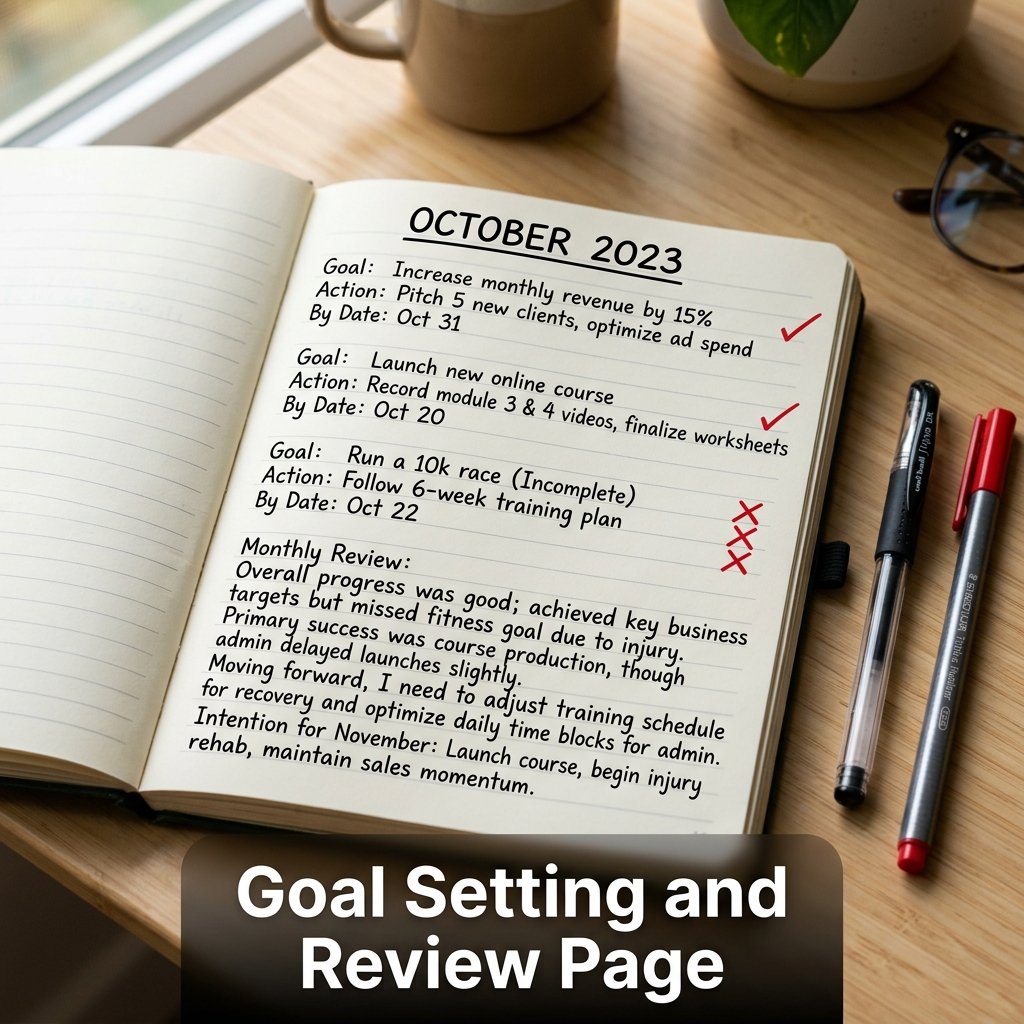
A goal setting and review page is a personal diary layout that records three to five specific goals for the month, tracks progress weekly, and documents a written review at the end of the month covering what was achieved and what was not. Monthly written goal reviews increase follow-through rates by creating regular accountability checkpoints that prevent goal abandonment between the setting date and the target completion date. I use this page format at the start of every month and have maintained it consistently for 26 consecutive months.
Writing the Goals
Date the page with the current month and year. Write three to five goals using the following structure: the goal statement, the specific actions required to reach it, and the target completion date within the month. Keep each goal statement to one sentence. I used the format: “Goal: [statement]. Action: [specific step]. By: [date].” That three-part structure made each goal concrete and actionable rather than general and vague.
Completing the Monthly Review
Return to the goal page on the last day of the month. Write a checkmark beside each completed goal and a cross beside each incomplete one. Below the goal list, write a four-sentence review covering: what you completed, what you did not complete, why the incomplete goals were not finished, and what you plan to do differently next month. I kept every monthly review page from the past 26 months and the pattern across them showed me exactly which types of goals I consistently complete and which types I consistently avoid.
Frequently Asked Questions
What are the best personal diary ideas for beginners?
The best personal diary ideas for beginners are the daily gratitude log, the daily to-do list format, and the mood tracker page. All three require no prior journaling experience, no artistic skill, and take under ten minutes to complete each day. The gratitude log needs only three to five written sentences. The to-do list needs only a numbered task list. The mood tracker needs only a colored box filled in each evening. I started with the gratitude log during my first week of consistent diary writing and it built the daily writing habit faster than any other format I tried afterward.
How do I make my personal diary more creative?
A personal diary becomes more creative when you add visual elements alongside written text. Use washi tape borders, stickers, small hand-drawn illustrations, and pasted physical items like tickets or receipts. Switch between different page formats rather than using the same layout every day. Try scrapbook style pages, doodle pages, and quote collection pages alongside standard written entries. I added one visual element per page, starting with a simple washi tape border, and the diary immediately felt more personal and worth returning to compared to plain written pages with no decoration.
How many pages should a personal diary entry be?
A personal diary entry works best at one to two pages per day for most diary writing ideas. One page produces enough space for a complete daily entry without feeling too long to maintain consistently. Two pages allow for additional elements like a small sketch, a mood note, or a short list alongside the main written content. I write one page per day on most days and extend to two pages only when a significant event worth recording in more detail occurred. Longer entries written only on significant days produce a more accurate record than forced daily entries of equal length.
What should I write on the first page of my personal diary?
The first page of a personal diary works best with your name, the start date, a one-sentence personal statement about the diary’s purpose, and a simple decorative border. Add one meaningful quote below the personal statement. Keep the color palette to two or three colors. The first page sets the tone for the entire diary and increases the sense of personal commitment to filling it. I spend 20 minutes on my diary first page before writing any entries, using washi tape, a fine-tip pen for the border, and one quote written in slightly larger lettering than the rest of the text.
Can students use personal diary ideas for school purposes?
Yes, students use personal diary ideas directly for school purposes across multiple subject areas. A daily to-do list diary format improves assignment completion and deadline tracking. A weekly planning spread organizes study sessions and exam preparation. A self-reflection journal prompt page develops critical thinking and written communication skills that transfer directly into academic writing. A book and media log builds reading comprehension through written response practice. I used a weekly planning spread throughout my final two years of university and it produced a measurable improvement in how consistently I completed work before deadlines rather than the night before submission.