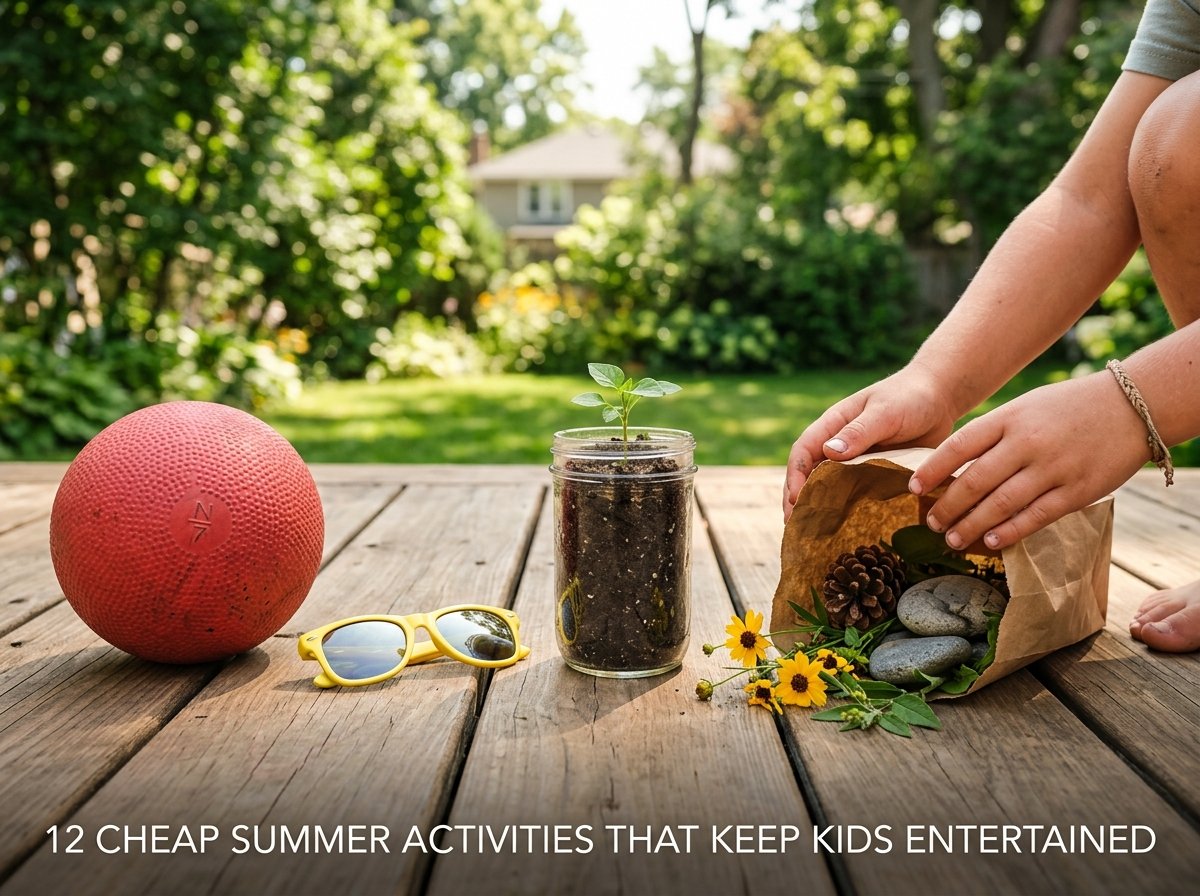
12 Cheap Summer Activities That Keep Kids Entertained
Last summer, my nephew visited for two weeks and I had exactly $40 left in my activity budget by day three. I panicked for about 10 minutes, then realized that the most enjoyable days we had cost almost nothing at all.
Cheap summer activities for kids include backyard games, nature walks, DIY crafts, picnic trips, and water play at home. Most of these cost between $0 and $15 and require supplies you already own. The key is planning ahead so boredom does not hit before you have an idea ready.
I have personally tested every activity in this list with kids ranging from ages 4 to 14. Some worked better for younger children, and I note those differences clearly in each section. None of these require a car, a membership, or expensive gear.
This article covers 12 cheap summer activities that genuinely keep kids occupied for hours, not just 20 minutes. Each idea includes a cost estimate, an age range, and practical setup tips based on what worked for me. Whether you are looking for cheap summer activities for toddlers, students, or the whole family, this list covers all of it.
1. Backyard Water Play
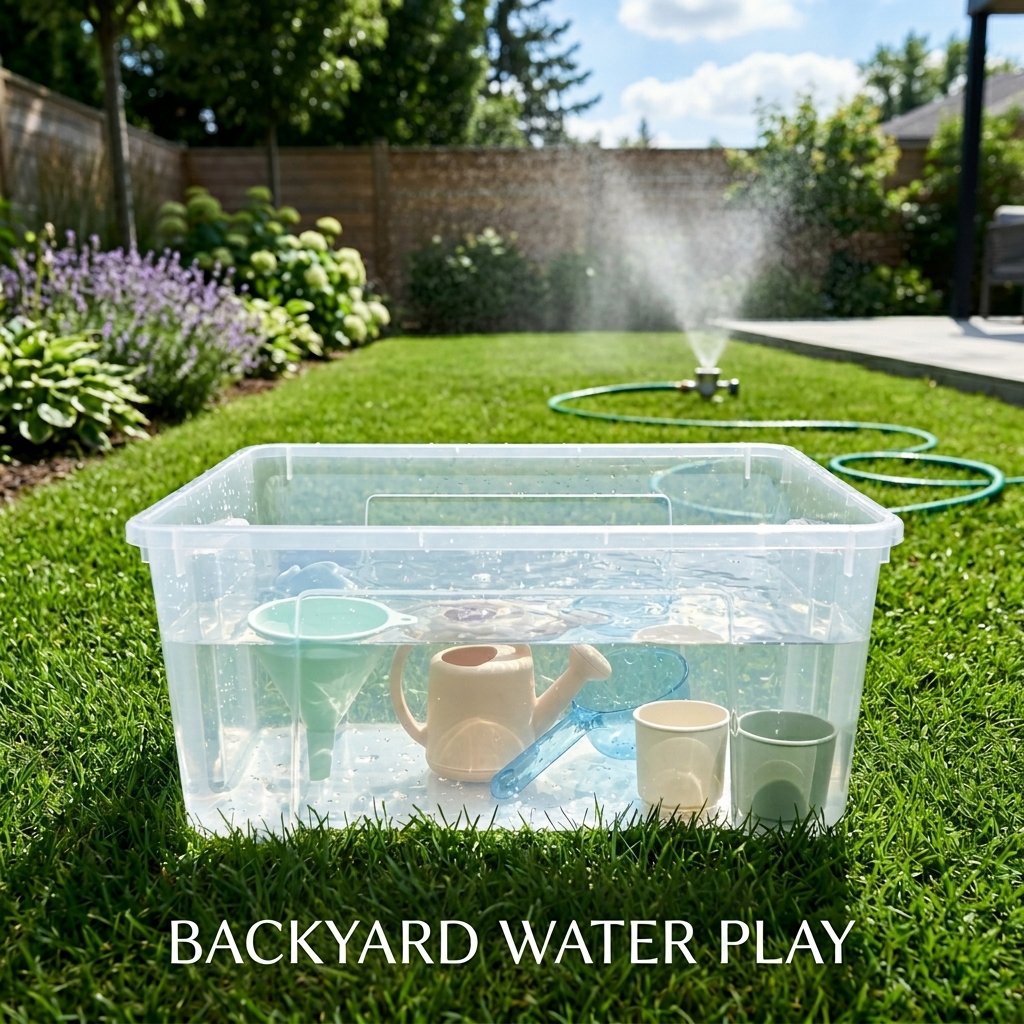
Backyard water play is one of the most effective cheap summer activities for toddlers and kids under 10 because it requires only a garden hose, water balloons, or a plastic storage bin filled with water. Kids stay occupied for 1 to 3 hours per session. I set up a simple water station for my neighbor’s kids using a $3 pack of water balloons and a plastic bin I already owned. They stayed outside for the entire afternoon without asking for anything else.
How to Set Up a Backyard Water Station
Fill a large plastic storage bin with 4 to 6 inches of water. Add cups, funnels, and small containers for pouring play. Water balloon packs cost $2 to $4 at Dollar Tree or Walmart. A basic sprinkler attachment for a garden hose costs $5 to $10 and connects in under 2 minutes. Lay a waterproof picnic blanket nearby for kids to sit and play on between water activities. Total setup cost runs $0 to $15 depending on what supplies you already have at home.
Age-Appropriate Water Play Ideas
Kids aged 2 to 5 enjoy pouring, filling, and splashing in shallow water bins with cups and small toys. Kids aged 6 to 10 respond better to water balloon games, hose chases, and DIY slip-and-slide setups using a plastic tarp and dish soap. A 9×12 foot plastic painter’s tarp costs $3 to $5 at hardware stores and works as a slip-and-slide base on a gentle grassy slope. Always supervise children under 5 near any standing water regardless of depth.
2. Nature Scavenger Hunt
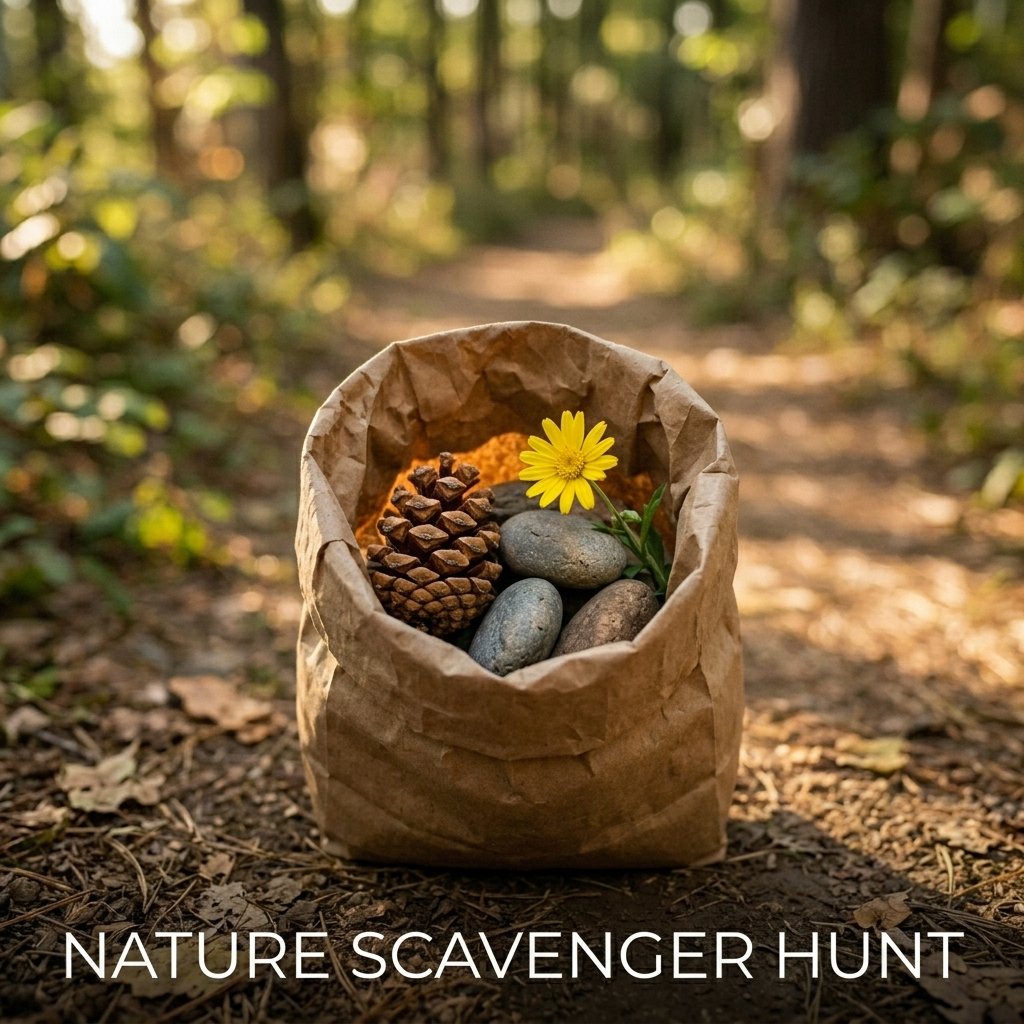
A nature scavenger hunt is a free cheap summer activity that works at parks, backyards, hiking trails, and neighborhood sidewalks with no equipment required beyond a printed or handwritten list. Kids search for specific natural items like pinecones, smooth rocks, yellow flowers, or birds. I ran one of these at a local park with three kids aged 5, 8, and 11. All three stayed engaged for over 90 minutes, which I consider a personal victory.
How to Create a Nature Scavenger Hunt List
Write 10 to 20 items on a list based on what grows or appears naturally in your local area. Common items include a smooth rock, a feather, a round leaf, an insect, a seed pod, a piece of bark, and a flower with 5 petals. Adjust item difficulty by age group. Younger kids get simpler items like a yellow flower or a stick. Older kids get specific challenges like finding 3 different types of leaf shapes or spotting a bird with a colored marking.
Making the Scavenger Hunt More Engaging
Add a point system where rare or harder-to-find items score more points. Give each child a small paper bag for collecting items. A disposable or waterproof camera adds a photography element for kids aged 8 and older. Google Lens on a smartphone helps identify plants and insects during the activity at no additional cost. Set a 45 to 60 minute time limit to keep the pace focused and prevent the activity from losing energy in the second half.
3. DIY Craft Day at Home
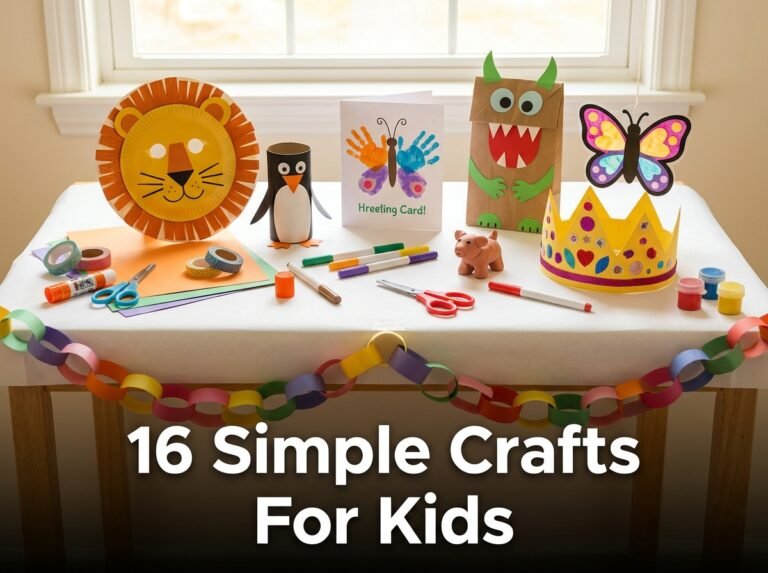
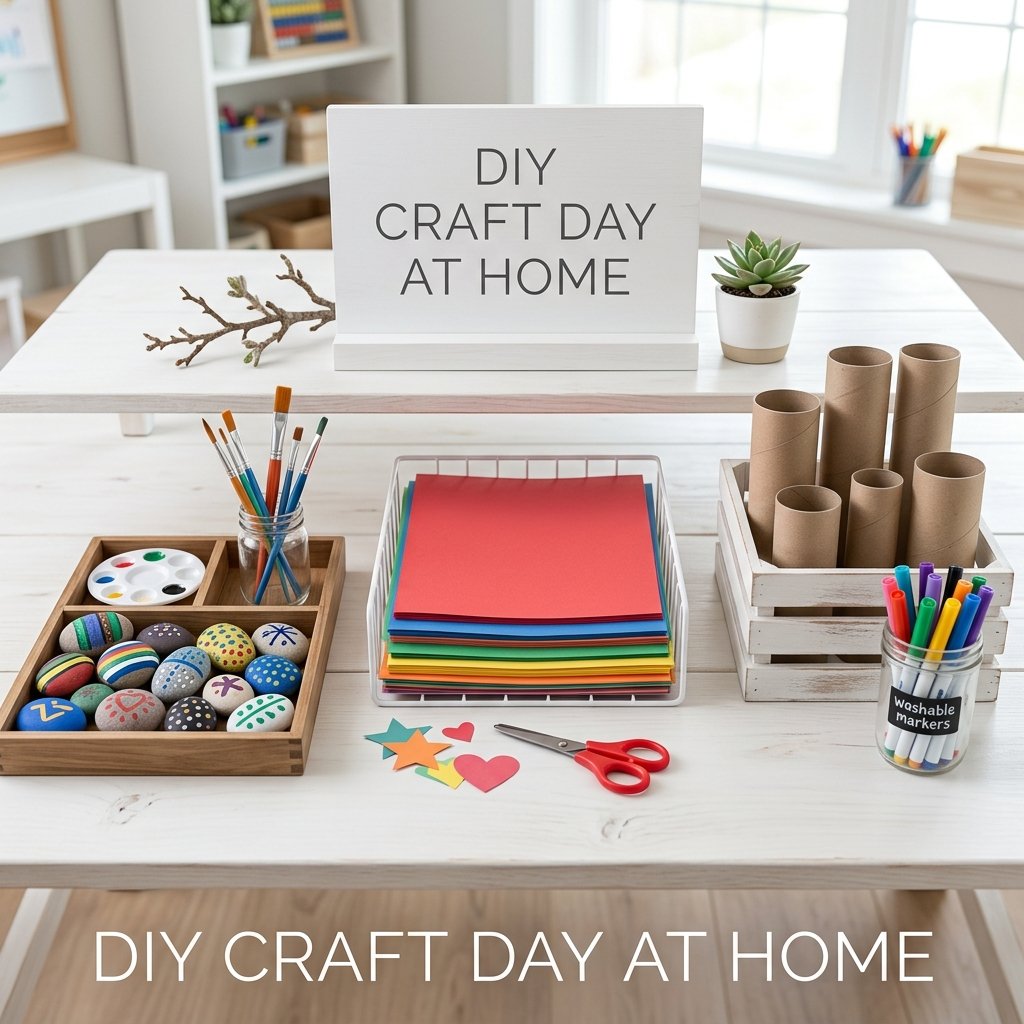
A DIY craft day is one of the most flexible cheap summer activities at home because it uses supplies already available in most households, including paper, scissors, glue, and markers. Organized craft sessions covering 2 to 3 projects keep kids engaged for 2 to 4 hours. I planned a craft afternoon using only materials I found in a single kitchen drawer and a recycling bin. The kids made paper animals, decorated rocks, and built a small cardboard house before anyone asked what was for lunch.
Craft Ideas That Cost Under $5
Rock painting requires smooth rocks collected outdoors and acrylic paint costing $1 to $3 per bottle. Paper bag puppets use brown lunch bags and markers only. Cardboard tube animals use toilet paper rolls, paint, and glue. Nature collages use leaves, twigs, and petals collected outside glued onto paper. Friendship bracelets use embroidery thread costing $2 to $4 per multi-pack. Each of these projects takes 20 to 40 minutes per child and produces a finished item they keep after the session ends.
Organizing a Multi-Project Craft Day
Set up 3 separate craft stations on a table, one project per station. Prepare all materials before kids sit down so there is no waiting time between starting and working. Rotate kids through each station every 30 to 40 minutes. Playing music in the background increases engagement during quieter craft tasks. Cover the table with a plastic tablecloth or newspaper for easy cleanup. A full 3-station craft day costs $5 to $15 in new supplies if you purchase only what is missing from your existing stock.
4. Bike Riding and Outdoor Exploration
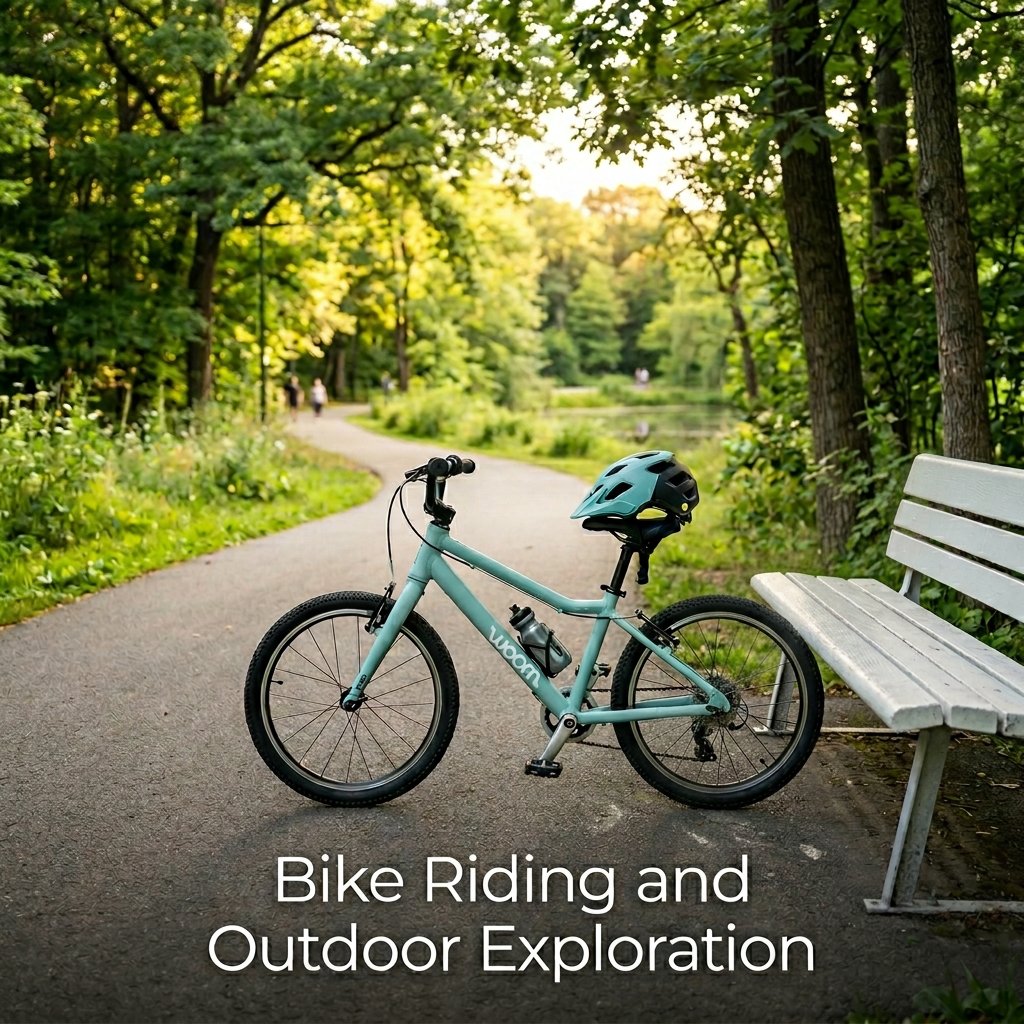
Bike riding is a zero-cost cheap summer activity for families who already own bikes because it requires no entrance fee, no reservation, and no additional equipment beyond helmets. A standard neighborhood bike ride covers 2 to 5 miles per hour for children aged 6 to 12. I took two kids on a 45-minute neighborhood ride last July and we found a small trail neither of us knew existed two blocks from the house. That discovery kept them asking to go back every other day for the rest of the week.
Planning a Kid-Friendly Bike Route
Choose flat routes with minimal traffic for kids under 8. Bike paths, park loops, and quiet residential streets provide the safest low-traffic riding conditions. Google Maps cycling layer shows dedicated bike paths in most cities at no cost. Plan a midpoint stop at a park or water fountain so kids have a physical break halfway through the ride. Total ride time of 30 to 60 minutes suits most children aged 5 to 12 without causing fatigue that leads to complaints on the way back.
Combining Bike Riding with Other Activities
Combine a bike ride with a nature scavenger hunt by giving kids a short list of things to spot along the route, such as a red mailbox, a dog, or a flower. Stop at a local park midway through for 20 minutes of playground time before riding back. Pack reusable water bottles and a small snack in a backpack to extend the outing to 90 minutes without any additional cost. This combination covers physical activity, outdoor exposure, and a structured goal within a single free summer outing.
5. Backyard Camping
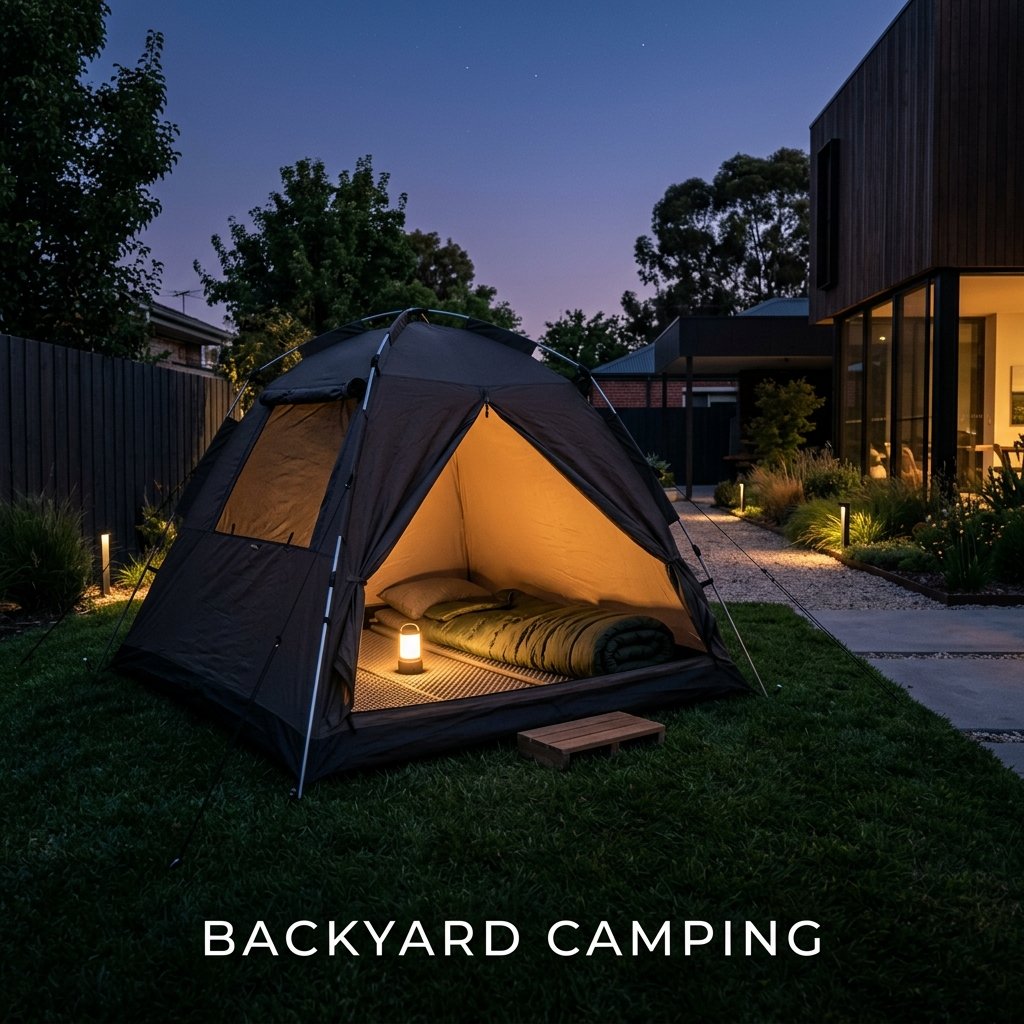
Backyard camping is a budget-friendly summer activity that costs $0 for families who already own a tent, or $15 to $30 for a basic pop-up tent purchased at Walmart or Amazon. Setting up a tent in the backyard gives kids the experience of camping without travel costs or campsite fees. I set up a backyard camp for two kids one Friday evening using a tent, sleeping bags, and a battery-powered lantern. They stayed outside until 10pm and talked about it for the rest of the summer.
What to Include in a Backyard Camping Setup
Core items include a tent, sleeping bags or blankets, a battery-powered lantern costing $8 to $15, and a bag of marshmallows for a small fire pit or indoor substitute like a candle-lit s’mores tray. A basic pop-up tent measuring 6×4 feet fits 2 to 3 children and sets up in under 5 minutes. Add a portable Bluetooth speaker for music or nature sounds. Pack a small cooler with drinks and snacks to avoid multiple trips back inside, which reduces the outdoor immersion of the experience.
Activities to Do During Backyard Camping
Stargazing is the most accessible backyard camping activity in areas with low light pollution. The free Sky Map app identifies constellations using a smartphone camera in real time. Storytelling, card games by lantern light, and simple outdoor cooking on a portable camp stove all extend evening entertainment. Wake-up activities for the morning include nature journaling, bird watching, and a short morning walk before breakfast. The full overnight backyard camping experience costs $0 to $30 depending on whether a tent purchase is required.
6. Picnic at a Local Park
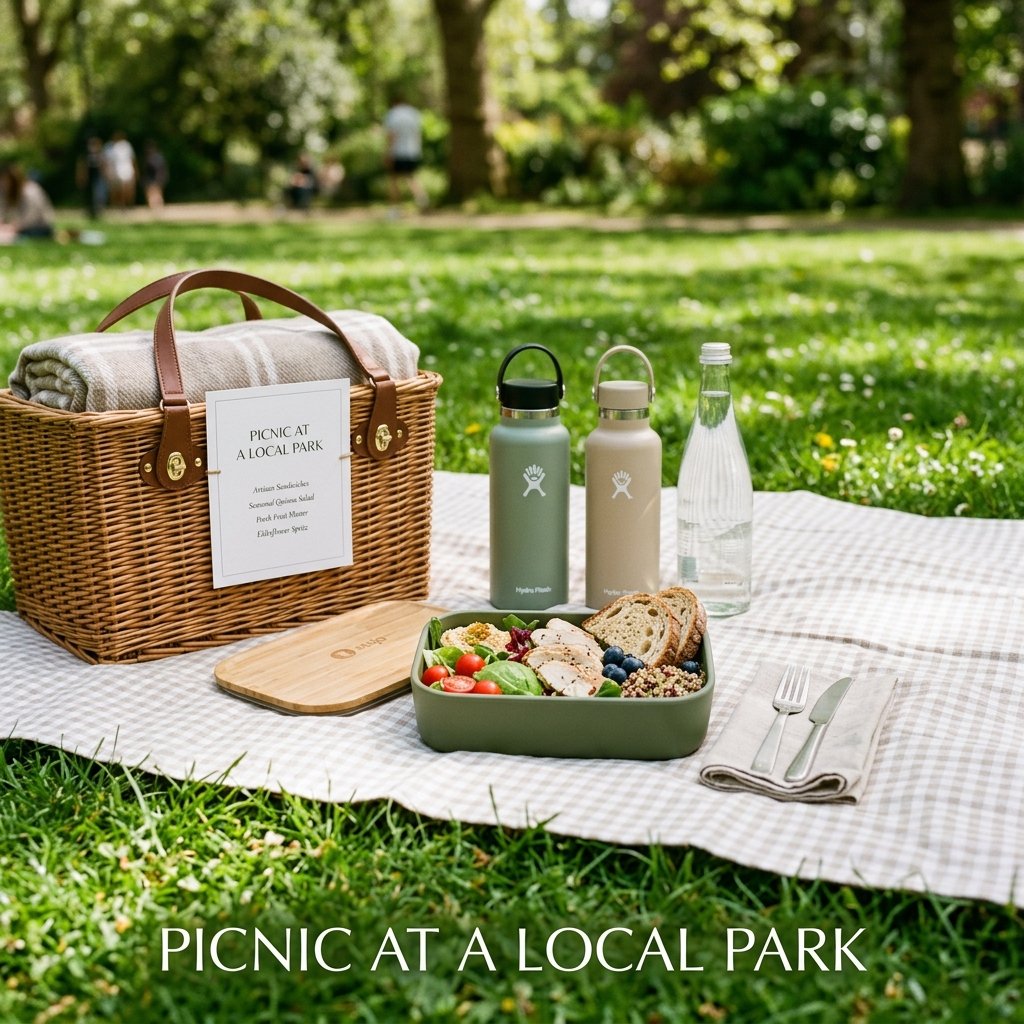
A picnic at a local park is one of the cheapest summer activities for families because the only cost is the food, which replaces a meal budget already planned for that day. Most public parks in the United States and United Kingdom offer free entry with picnic tables, grassy areas, and nearby playgrounds. I packed a basic picnic lunch for $8 total using items already in my refrigerator and pantry, and the outing lasted 3 hours because the kids played at the park before and after eating.
What to Pack for a Budget Picnic
A basic picnic for 2 adults and 2 children includes sandwiches, fruit, cut vegetables, crackers, and water in reusable bottles. Packing food from home costs $5 to $12 compared to $30 to $50 for an equivalent restaurant meal. A reusable picnic blanket costs $10 to $20 and lasts multiple seasons. Avoid single-use plastic packaging to reduce post-picnic cleanup time. Pack food in reusable containers with tight lids to prevent spills during transport in a standard backpack or tote bag.
Choosing the Right Park for a Family Picnic
Search “free parks near me” on Google Maps to find public green spaces with picnic facilities within driving or walking distance. Parks with both a playground and open grassy space give kids structured play options before and after eating. Botanical gardens often offer free entry on specific weekdays and include well-maintained picnic lawns. State parks charge a day-use vehicle fee of $5 to $10 in most U.S. states, but this cost covers the entire vehicle regardless of the number of passengers, making it cost-effective for families of 3 or more.
7. Gardening Projects for Kids
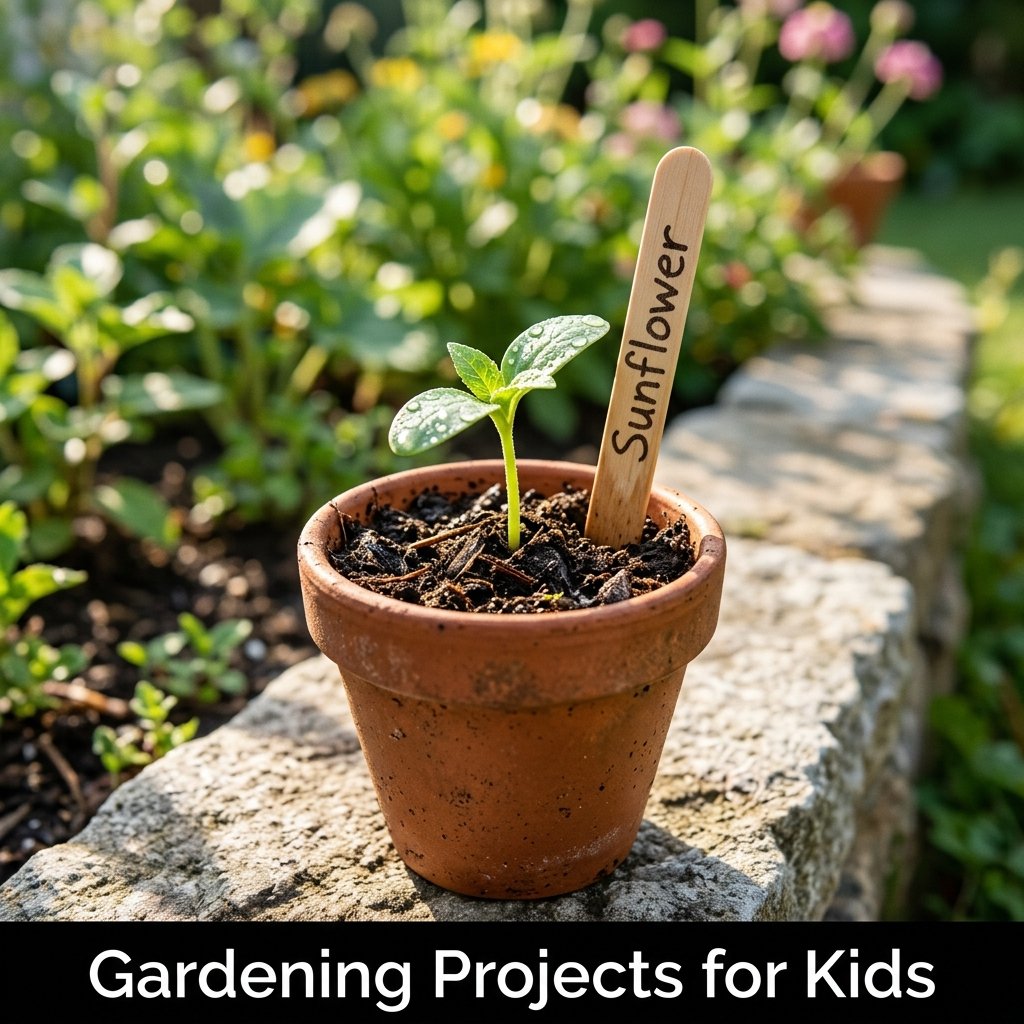
Gardening is a low-cost summer activity for kids that produces results over multiple weeks, which keeps children returning to check on their plants throughout the summer. A basic starter garden using seed packets, a small pot, and potting soil costs $5 to $12 total. I gave my 7-year-old niece her own small pot and a packet of sunflower seeds last June. She watered it every morning without being asked, which is the kind of self-directed engagement that no screen-based activity has produced in my experience.
Easy Plants for Kids to Grow in Summer
Sunflowers, cherry tomatoes, marigolds, and radishes are the four easiest plants for children to grow successfully in summer because they germinate quickly and show visible progress within 7 to 14 days. Sunflower seeds sprout in 5 to 10 days in warm soil. Cherry tomato plants produce fruit within 60 to 80 days from transplant. Radishes reach harvest size in 25 to 30 days, making them the fastest edible crop for young gardeners. All four are available as seed packets at hardware stores and garden centers for $1 to $3 each.
Setting Up a Kid-Friendly Garden Space
Use individual pots or a small raised bed section so each child has a defined personal growing space. Label each pot with a craft stick and marker. A basic potting soil bag measuring 8 quarts costs $4 to $6 and fills 3 to 4 standard 6-inch pots. Set a daily watering routine at a consistent time each morning to build a simple responsibility habit. Track plant growth by measuring stem height every 3 days and recording the numbers in a small notebook, which adds a science observation element to the activity.
8. Outdoor Painting and Art
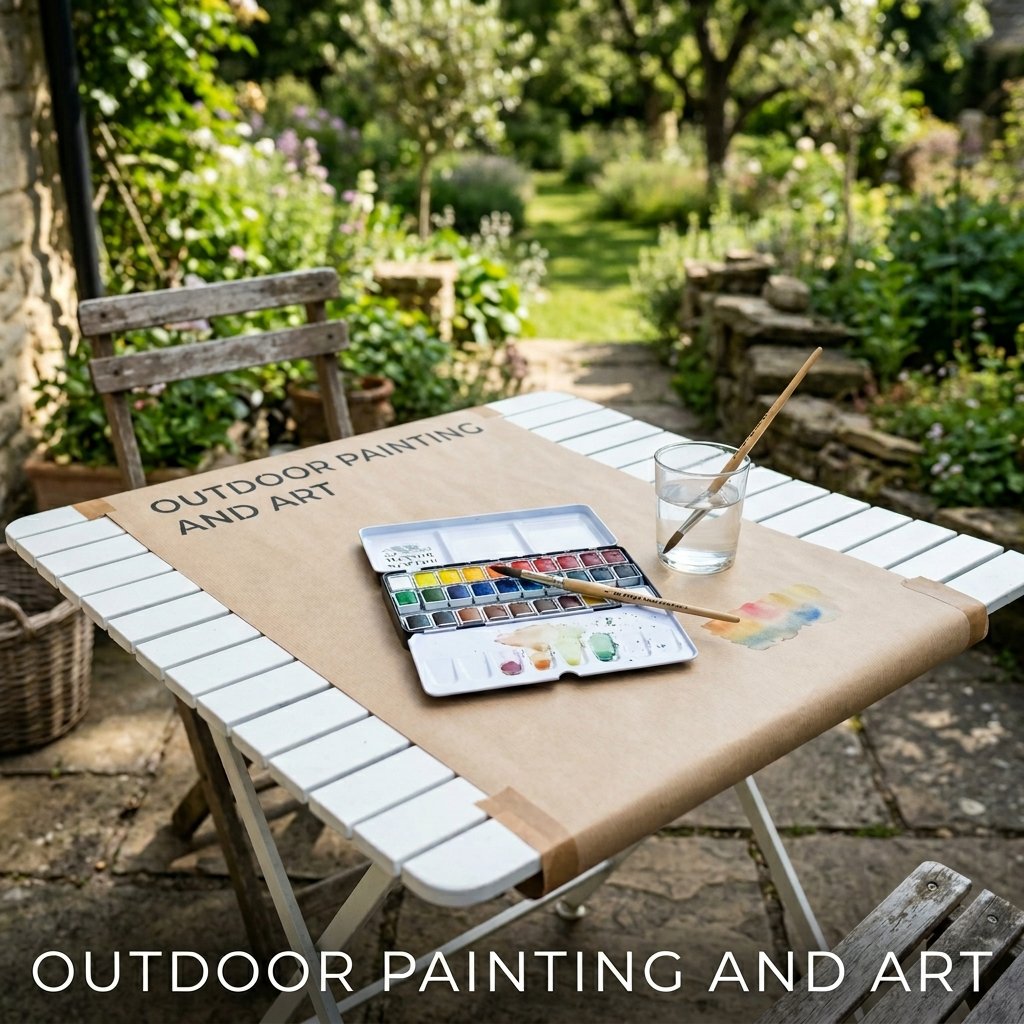
Outdoor painting is an affordable summer activity that costs $5 to $15 for a full session and keeps kids occupied for 1 to 2 hours per setup. Acrylic paint, watercolor sets, and tempera paint are the three most commonly used types for outdoor kids art sessions. I set up an outdoor watercolor station on my patio table with a roll of butcher paper taped down as the painting surface. Three kids painted continuously for 90 minutes and produced enough artwork to cover an entire hallway wall.
Setting Up an Outdoor Art Station
Cover a table with newspaper or a plastic tablecloth. Tape a large sheet of butcher paper or brown kraft paper to the surface to give kids a wide painting area. A 24-count watercolor set from Crayola costs $5 to $8 at Walmart or Target. Provide one water cup per child for rinsing brushes between colors. Set up a drying line using twine between two chairs for finished paintings to air dry flat. Outdoor setup reduces cleanup time because spills on grass or pavement wash away with a quick rinse from the garden hose.
Outdoor Art Ideas Beyond Paper Painting
Rock painting uses smooth stones collected from the yard or bought in a 10-pack for $3 to $5 at craft stores. Leaf printing presses painted leaves onto paper to create nature print artwork. Sidewalk chalk drawing on a driveway or patio costs $3 to $6 per bucket and washes off completely with rain or a hose. Shadow tracing uses sunlight to project the shadow of an object onto paper, which kids then trace and color. Each of these outdoor art activities costs under $8 in new supplies and works for children aged 3 and older.
9. Library Summer Programs
Public library summer programs are free cheap summer activities available to children of all ages at no cost through the public library system in the United States, United Kingdom, Canada, and Australia. Most libraries run structured summer reading programs between June and August that include weekly activities, craft sessions, storytelling events, and prize systems for completed reading logs. I signed my two nephews up for the local library summer reading program one year and they attended 6 free events over 8 weeks, including a science demonstration and an outdoor movie night.

How to Find Library Summer Programs Near You
Visit your local library’s website or Google “library summer reading program [your city]” to find the current year’s schedule. Programs typically begin registration in late May or early June. Most library events for children are walk-in or require free registration through the library’s online calendar. Libraries in larger cities offer daily programming, while smaller branch libraries typically offer 1 to 2 events per week. All activities, craft supplies, and materials are provided free of charge as part of the library’s publicly funded programming budget.
What Library Summer Programs Include for Kids
Standard summer library programs include read-aloud sessions for ages 2 to 5, STEM activity workshops for ages 6 to 12, teen reading clubs for ages 13 to 17, and author visit events for all ages. Many programs partner with local organizations to bring in free guest presenters covering topics like wildlife, science experiments, and cooking demonstrations. The summer reading log component of most programs rewards kids with small prizes like bookmarks, stickers, or donated books for every 5 to 10 books read and recorded throughout the summer period.
10. Community Center Activities
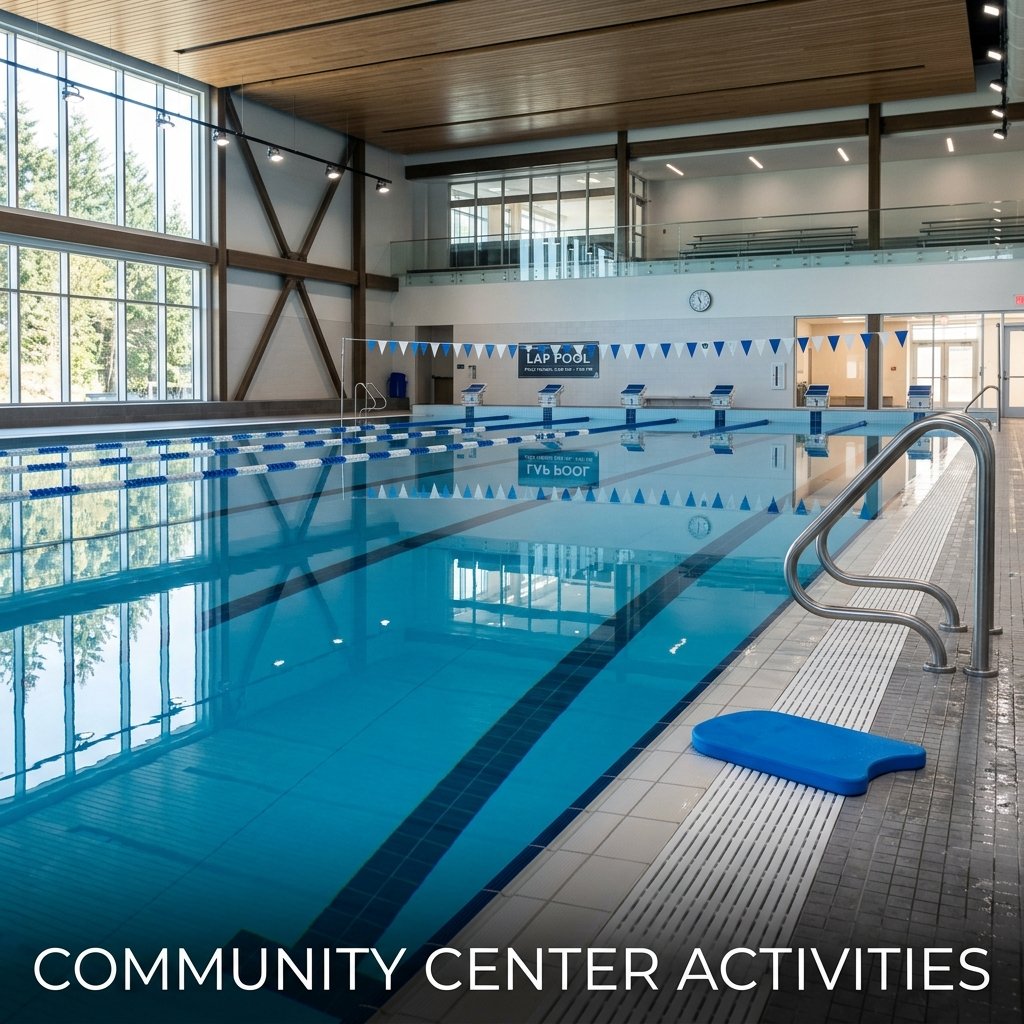
Community center summer programs offer low-cost activities for kids at rates significantly below private camp or recreation center pricing, with many programs charging $5 to $20 per week per child. Recreation centers operated by local governments in the U.S. and U.K. offer swim lessons, sports clinics, art workshops, and open gym sessions throughout summer. I enrolled two kids in a community center swim session last summer for $8 per child per week. They attended 3 times per week and developed basic swimming skills by the end of the 4-week session.
Types of Programs Offered at Community Centers
Standard summer programs at community centers include swimming lessons for ages 3 and up, basketball and soccer clinics for ages 6 to 14, art and ceramics workshops for ages 7 and up, and multi-sport open play sessions for mixed age groups. Many centers offer a sliding scale fee structure based on household income, reducing the weekly cost to $0 to $5 for qualifying low-income families. Search your city or county’s parks and recreation department website for current summer schedules and registration deadlines.
How to Reduce Community Center Costs Further
Purchase a family membership at a community recreation center if your family plans to attend 3 or more times per week throughout the summer. Annual family memberships at YMCA facilities in the United States range from $400 to $700 per year but cover unlimited access to pools, gyms, and most youth programs. This averages to $33 to $58 per month for a full family, which is lower than the per-session cost of enrolling multiple children in separate paid activities across the summer. Financial assistance programs reduce YMCA membership costs for qualifying families.
11. Neighborhood Sports and Backyard Games
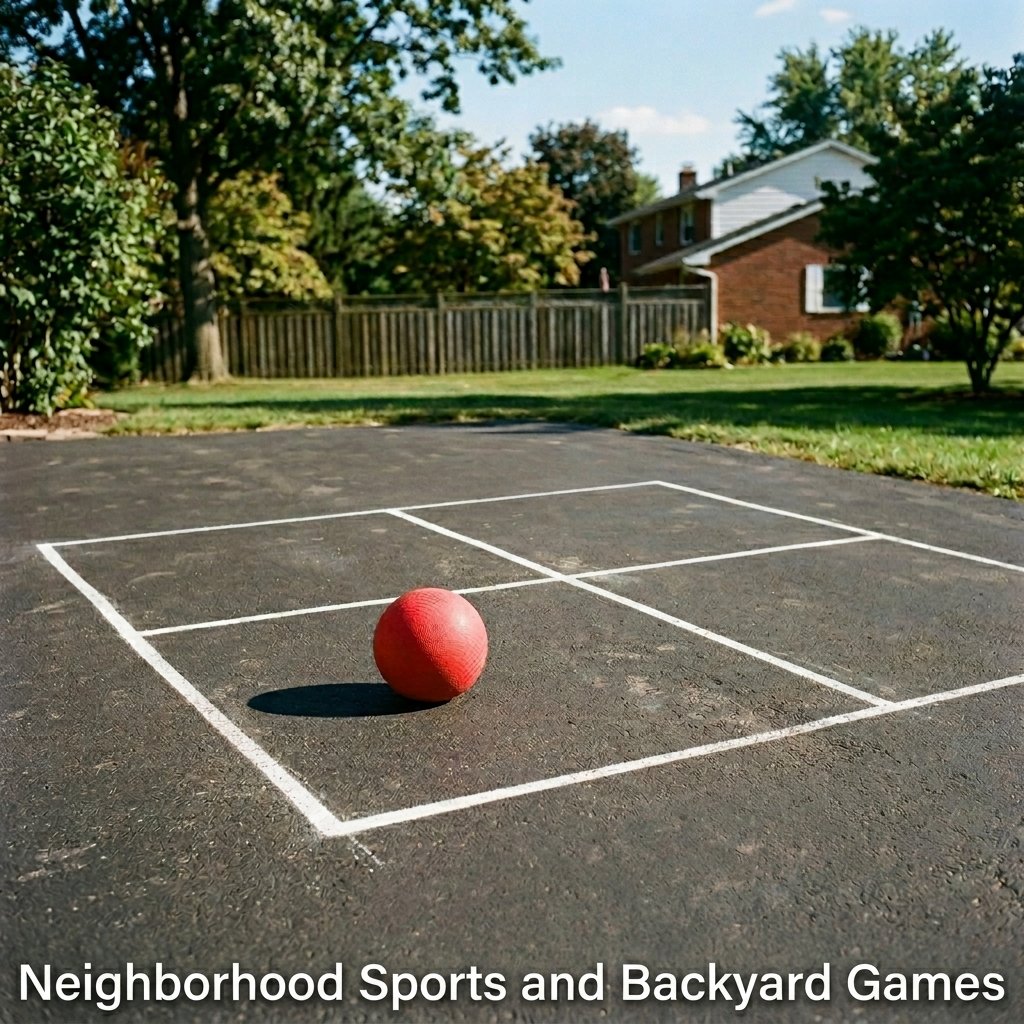
Neighborhood sports and backyard games are free cheap summer activities for students and families that require only basic equipment like balls, chalk, or jump ropes. Games including kickball, four square, freeze tag, and relay races keep groups of 3 to 10 kids occupied for 1 to 3 hours per session. I organized a neighborhood game afternoon for 6 kids aged 6 to 12 in my driveway and backyard. The session ran for 2.5 hours with zero screen time and cost exactly $0 because all equipment already existed in the garage.
Backyard Game Ideas That Need Minimal Equipment
Four square requires chalk and a rubber playground ball costing $3 to $6. Freeze tag and relay races require no equipment at all. Hula hoop contests use hoops costing $3 to $5 each at Dollar Tree. Sack races use pillowcases already owned. Tug of war uses a length of rope costing $4 to $8. A basic ring toss game builds in 15 minutes using 6 plastic bottles filled with sand and a set of rings cut from cardboard. All of these games suit mixed age groups ranging from 5 to 14 years old.
Organizing a Neighborhood Sports Day
Set a fixed start time and invite 4 to 10 neighborhood kids to participate. Prepare a written schedule of 4 to 6 games in rotation with clear start and end times for each. Assign older kids as team captains to manage younger players during each game. Award small prizes like stickers, bookmarks, or homemade certificates for winners and participants. A neighborhood sports day structured around 5 games of 20 minutes each runs for approximately 2 hours and costs $0 to $15 total in supplies depending on what games are chosen.
12. DIY Science Experiments at Home
DIY science experiments are one of the most engaging cheap summer activities at home for kids aged 5 to 14 because they combine physical activity with observable results that hold attention for 30 to 60 minutes per experiment. Common experiments including baking soda volcanoes, slime making, and paper airplane testing cost $2 to $8 per session using household and grocery store supplies. I ran a science experiment afternoon with three kids using only items from my kitchen cabinet. Two of the three experiments worked perfectly, and the one that failed produced the most discussion of all.
Easy Science Experiments Under $5
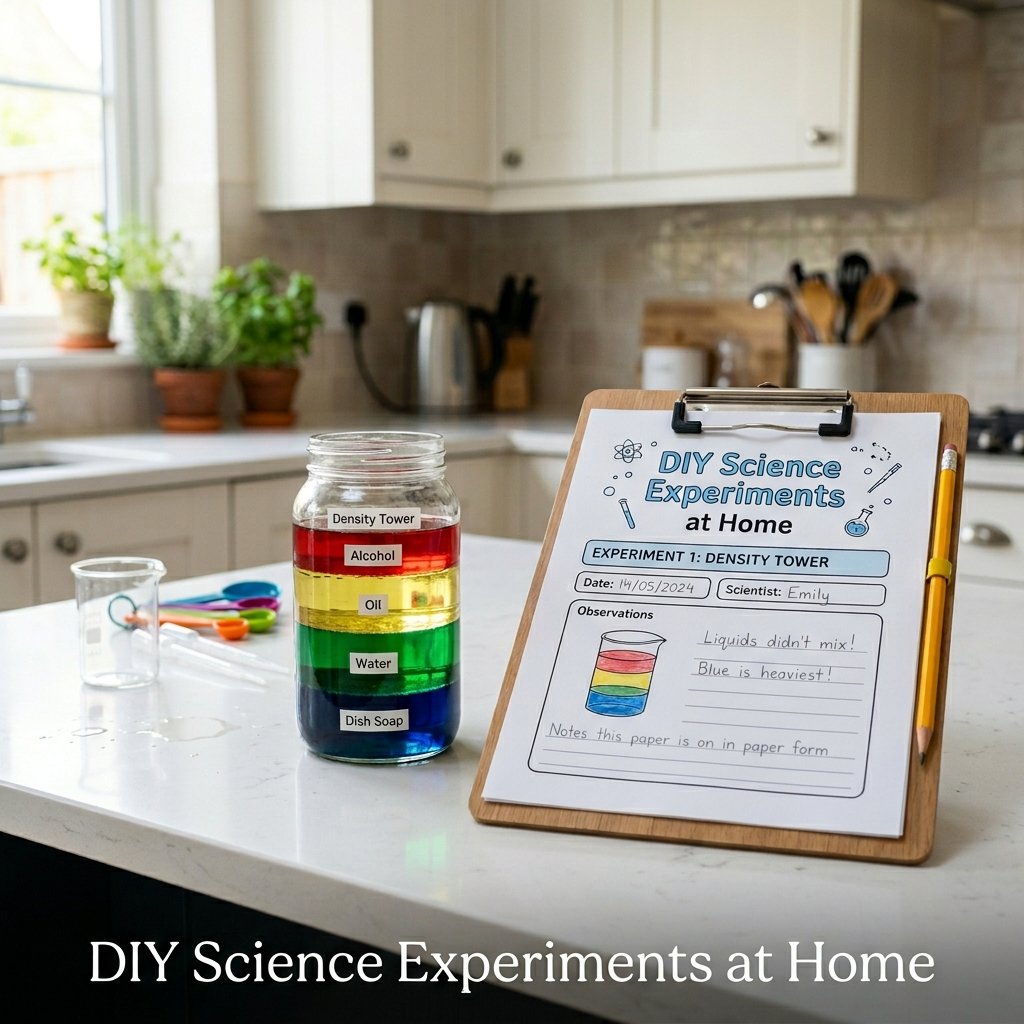
A baking soda and vinegar volcano uses $1 in supplies from any grocery store. Slime requires white school glue costing $2 to $3 and contact lens solution costing $4 to $6 for a bottle that covers 6 to 8 slime batches. A density jar uses water, cooking oil, dish soap, and food coloring, all of which most households already own. Paper airplane distance testing requires only paper and a measuring tape. Each experiment takes 15 to 30 minutes to set up and run, and results are visible within the same session.
Turning Science Experiments into a Learning Activity
Write a simple 3-step record sheet for each experiment covering what the child predicted would happen, what actually happened, and one reason why. This format mirrors the basic scientific method used in school science classes. Printing experiment sheets costs $0 if done at a library computer. Recording observations in a dedicated summer science notebook costs $1 to $3 for a basic composition book from Dollar Tree or Walmart. Completing 8 to 10 experiments across the summer produces a finished science record that serves as a low-cost school preparation activity.
Frequently Asked Questions
What are the cheapest summer activities for families on a tight budget?
The cheapest summer activities for families include backyard water play, nature scavenger hunts, picnics at public parks, library summer programs, and neighborhood backyard games. Most of these cost between $0 and $15 per session. Public library summer programs are completely free and include structured activities, craft supplies, and events provided at no charge. Backyard games using equipment already owned cost nothing. Combining two or three free activities into a single day, such as a park picnic followed by a scavenger hunt, extends the outing to 3 to 4 hours without increasing the budget.
What can kids do in summer without spending money?
Kids spend summer without spending money by participating in free public library programs, exploring local parks, playing neighborhood sports, doing backyard water play with a garden hose, and completing DIY crafts using household supplies. Most cities and towns offer free community events throughout summer, including outdoor movie screenings, free museum days, and park-based festivals. Checking your local city council or parks department website at the start of June produces a full calendar of free events for the entire summer season. Nature walks, stargazing, and gardening from collected seeds also cost nothing.
What are good cheap summer activities for toddlers aged 2 to 5?
Good cheap summer activities for toddlers aged 2 to 5 include shallow water bin play, sidewalk chalk drawing, nature walks with a collection bag, sensory bins filled with sand or dried rice, and simple painting with large brushes on kraft paper. All of these activities cost under $10 and suit the short attention span and physical development stage of toddlers in this age group. Water bin play requires only a plastic storage bin and water. Sensory bins use dried rice or beans from the grocery store costing $1 to $2. Always supervise toddlers closely during any water-based activity.
How do I keep kids entertained for a full day on a small budget?
Keeping kids entertained for a full day on a small budget requires planning 3 to 4 separate activities that each last 60 to 90 minutes. Start with an outdoor activity in the morning when temperatures are lower, such as a bike ride or nature scavenger hunt. Follow with a craft session or science experiment after lunch indoors. End the afternoon with backyard games or a park visit. This structure fills 6 to 8 hours of the day for $0 to $20 total. Preparing activities the night before prevents gaps where boredom develops between sessions.
What cheap summer activities work for students aged 10 to 14?
Cheap summer activities that work well for students aged 10 to 14 include DIY science experiments, photography walks using a smartphone, library teen reading programs, community center sports clinics, neighborhood sports tournaments, and backyard camping with friends. Students in this age group respond better to activities that include a challenge, a goal, or a social element. A neighborhood sports tournament with organized scoring, a photography project with a weekly theme, or a multi-week garden growing challenge all provide structure that sustains interest across multiple sessions rather than a single afternoon.